June 17, 2026
Proper water management is an essential element of modern property maintenance, acting as the primary defense mechanism against structural deterioration. When severe weather hits, thousands of gallons of rainwater can cascade off a standard residential roof, creating a concentrated deluge around the perimeter of the structure. Without a meticulously planned and executed strategy to redirect this volume, water naturally pools at the base of the walls, where it can compromise foundation stability, flood basements, and erode landscaping. A major component of this defense system is the downspout, which serves as the precise vertical channel directing water safely from the roofline to designated discharge zones. Ensuring this system functions at peak performance requires an understanding of fluid dynamics, material science, and building physics, all of which come together during a professional downspout installation.
Many property owners underestimate how a small oversight in the configuration of drainage parts can lead to catastrophic structural damage over time. When water is allowed to oversaturate the soil next to a building, it exerts immense hydrostatic pressure against the foundation walls, leading to cracks, shifts, and costly bowing.
Selecting Resilient Exterior Materials
Choosing the proper composition for your vertical drainage channels dictates how well the system survives intense environmental exposure over consecutive decades. Aluminum remains a top industry choice due to its natural resistance to corrosion, lightweight profile, and adaptability to seamless fabrication. For regions experiencing severe climate shifts, heavy-gauge steel or copper provides the necessary structural rigidity to handle immense snow loads and physical impacts without collapsing.
The long-term financial implications of material choice should always be weighed against initial expenditure. Not taking into account the weather resilience of materials can lead to frequent repairs or replacements, adding substantial long-term costs. It is worth noting that according to Forbes, most gutter systems need to be replaced within 15 to 20 years after installation, underscoring the significance of choosing long-lasting materials.
Designing Strategic System Layouts
An effective drainage blueprint requires extensive calculations that balance architectural geometry with regional weather data. Engineers and specialists map out the roof surface area to determine the exact volume of water generated during peak rainfall events, which directly influences the diameter and quantity of the vertical channels. Placing these components too far apart forces individual lines to handle excessive volume, causing water to back up and overflow the upper gutters. Strategically distributing the vertical tracks ensures that the weight and volume of the water are evenly balanced across the entire perimeter of the building.
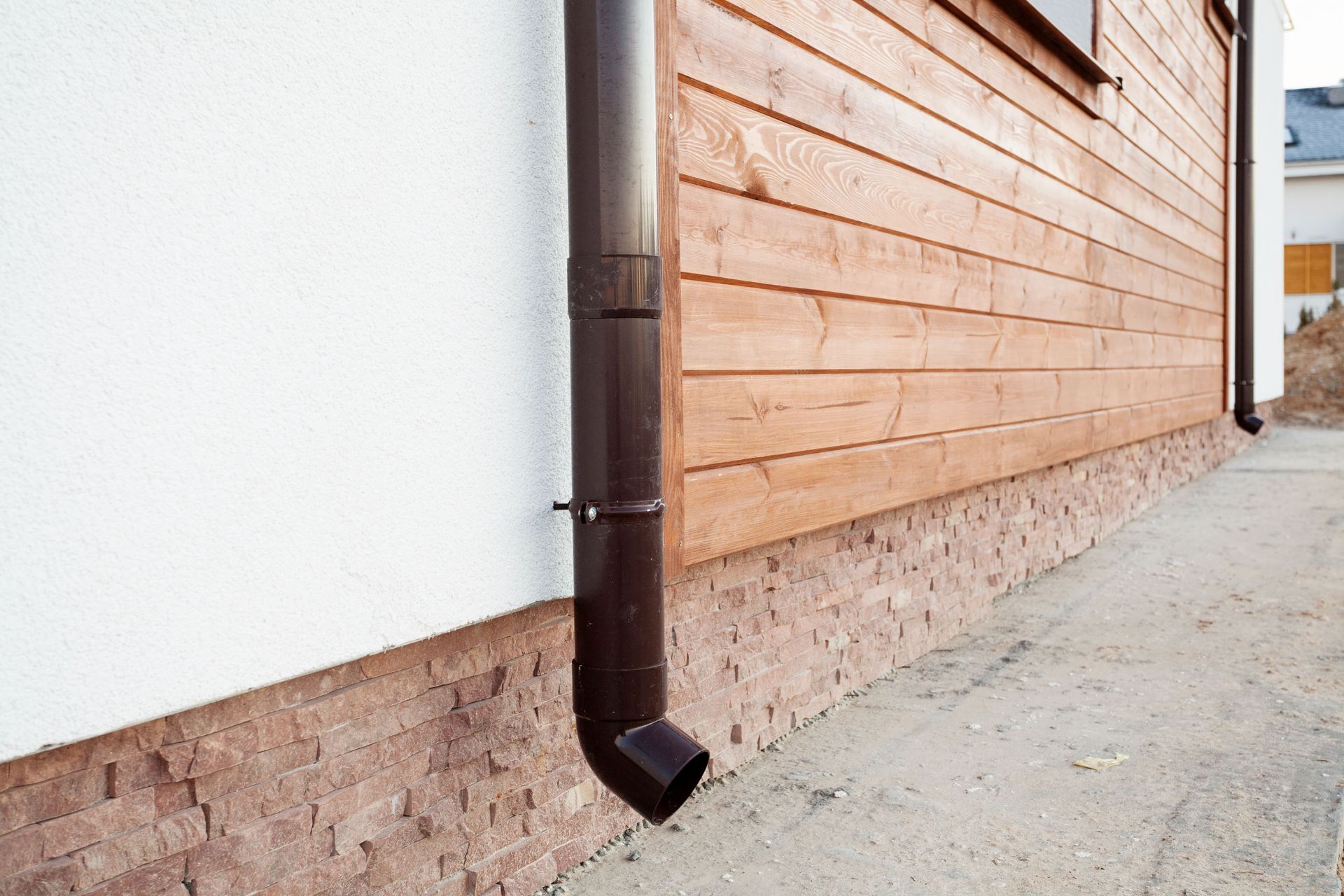
The physical layout must also respect the topography of the surrounding landscape and any existing structural features of the property. Drainage pathways are an important part of downspout installation and should always steer clear of windows, walkways, and architectural focal points to maintain both utility and aesthetic harmony. Specialists analyze the slope of the terrain to ensure that the discharge points sit at a lower elevation than the foundation itself, preventing water from naturally migrating back toward the basement walls.
Executing Specialized Assembly Techniques
The physical attachment of drainage components to a building requires specialized tools and specialized knowledge to ensure structural permanence. Each vertical segment must be anchored securely using heavy-duty brackets that match the specific metal composition of the pipe to prevent galvanic corrosion. These brackets are spaced at precise intervals along the exterior wall, anchoring the system firmly against the building to withstand powerful wind gusts and internal hydraulic pressure. A loose or poorly secured channel will vibrate, rattle, and eventually pull away from the siding, tearing exterior paint and leaving the building unprotected.
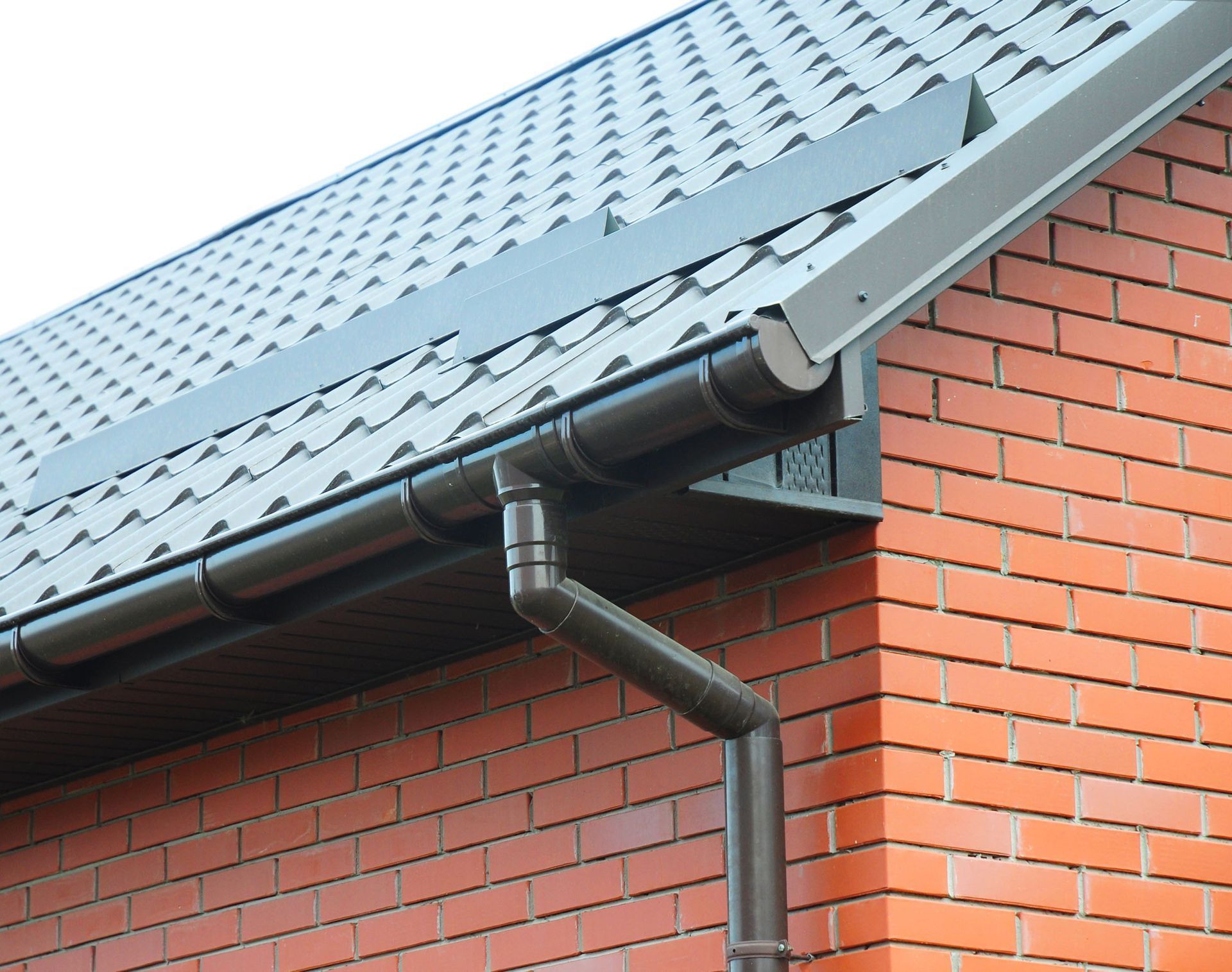
Achieving the correct alignment and slope within the upper transitions is equally vital for maintaining constant fluid velocity. Every elbow and connection must be set at an exact angle to keep water moving forward without allowing sediment or debris to settle in the joints. Once the physical alignment is locked into place, technicians apply commercial-grade, waterproof sealants to every single seam and overlapping joint. This careful sealing process eliminates leaks that would otherwise drip onto fascia boards and accelerate wood rot, ensuring that the entirety of the downspout installation creates a completely water-tight conduit from the roof to the ground.
Implementing Subsurface Diversion Tactics
Once water safely reaches the base of the structure, the focus shifts toward moving that volume far beyond the immediate foundation zone. Simple termination points can wash away soil and create deep holes in the lawn, which is why specialists employ dedicated diversion mechanisms at the base of each vertical track. Heavy-duty splash blocks or flexible extensions are frequently utilized to spread out the kinetic energy of the cascading water, gently dispersing the flow across a wider, stable surface area.
For comprehensive protection, connecting the vertical lines to underground drainage channels offers the most reliable way to handle heavy stormwater volumes. Subsurface networks, such as French drains or dedicated bubbler pots, receive the water directly from the vertical pipes and carry it completely away from the residential plot. These hidden systems utilize perforated piping surrounded by washed stone to allow water to slowly and safely percolate back into the water table at a safe distance from the home. Utilizing these advanced subsurface strategies removes water from the surface completely, preserving your lawn aesthetics while providing ultimate protection for your foundation.
Establishing Proactive Inspection Schedules
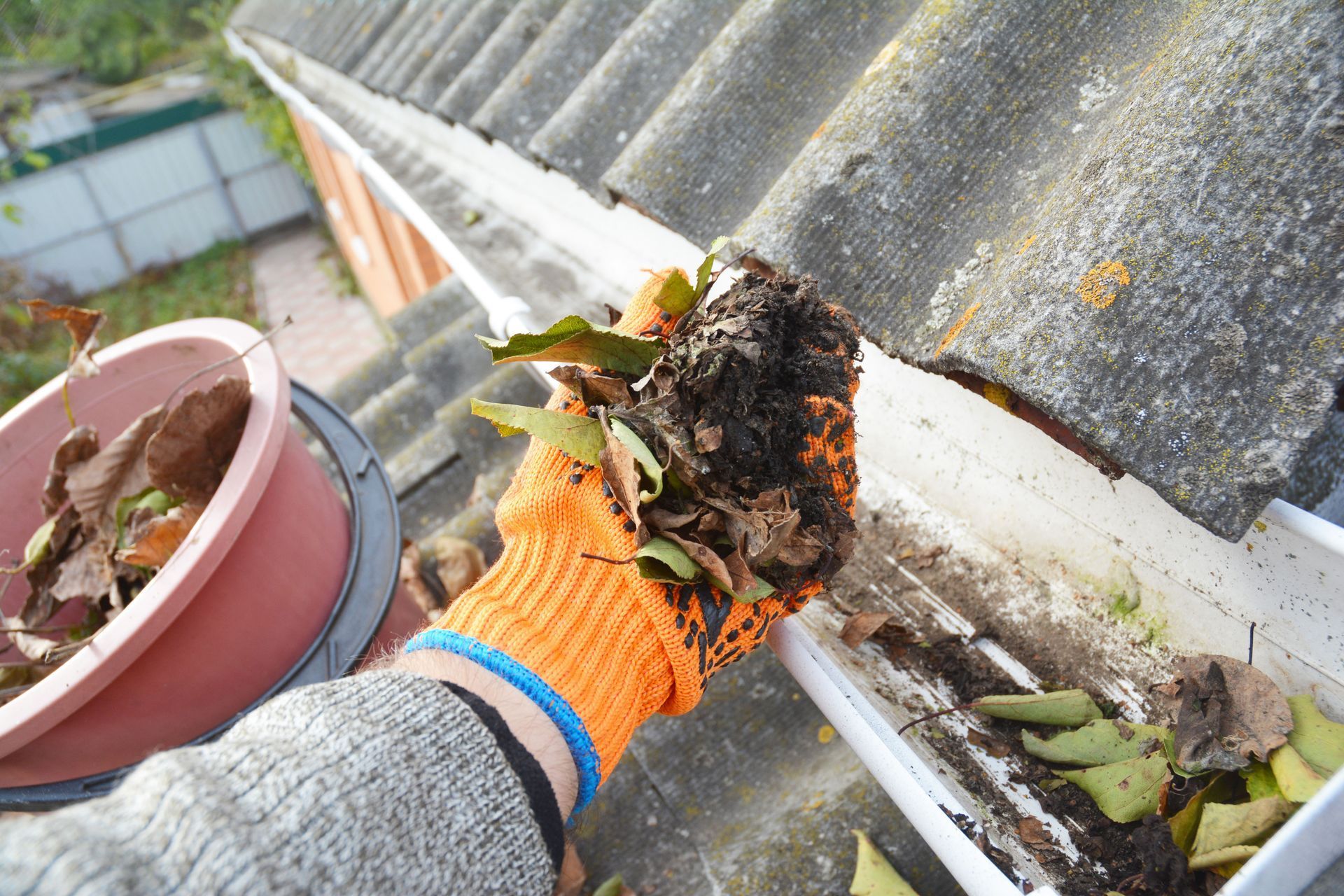
Maintaining the operational integrity of your drainage network requires ongoing vigilance and structured checkups throughout the changing seasons. Debris like leaves, twigs, and asphalt shingle granules naturally accumulate in the upper troughs and eventually wash down into the vertical channels, creating dense clogs that stop all fluid movement. Scheduling regular inspections twice a year, particularly after the autumn leaf drop and the spring thaw, allows for the early detection and removal of these obstructions before they cause a complete system backup. Keeping the pathways entirely clear ensures that the system is always prepared to handle unexpected, torrential downpours.
After your downspout installation, you should invest in routine checkups, where specialists can look for indicators of structural wear. Some of the most common issues include hairline cracks in the sealant, loose mounting brackets, or minor alignment shifts. Catching these small deficiencies early prevents them from escalating into major system failures during a severe storm event. Monitoring how the water exits the system during active rainfall provides real-time proof of whether the channels are clear and operating at maximum capacity.
Upgrading With Innovative Technology
Modern engineering has introduced a variety of sophisticated upgrades designed to optimize traditional drainage systems and reduce manual upkeep. Self-cleaning leaf strainers and integrated debris separators can be integrated directly into the vertical lines to automatically divert solid matter away from the water stream. For properties located in colder climates, installing self-regulating heat cables inside the vertical tracks prevents dangerous ice dams from forming during freezing cycles.
Property owners can also integrate their drainage networks with eco-friendly conservation systems to repurpose stormwater for practical everyday uses. Connecting the vertical lines to heavy-duty rain barrels or large underground cisterns allows for the collection of pristine rainwater that can be utilized for secondary landscape irrigation. These systems frequently include specialized diverter valves that automatically route excess water back into the main drainage path once the storage tanks reach maximum capacity.
Protecting the foundational integrity of your property requires a comprehensive strategy that addresses water movement from the roofline all the way to the final discharge zone. From calculating exact roof runoff volumes to selecting premium, weather-resilient metals, every phase of the planning process plays a defining role in how well your home withstands the elements. Overlooking minor alignment details or choosing substandard materials will inevitably result in recurring leaks, soil erosion, and foundational decay. Investing in an expertly engineered downspout installation ensures that your property remains entirely safeguarded against the destructive power of uncontrolled stormwater. Let the experienced professionals at KO Gutters LLC design and install a premium, high-capacity drainage system tailored precisely to the unique structural needs of your home.