April 2, 2026
Gutters protect homes from water damage by channeling rainfall away from foundations, siding, and landscaping, yet many homeowners neglect this critical drainage system until problems become obvious through overflows or damage. Proper gutter maintenance prevents the majority of failures that create expensive repairs to foundations, basements, exterior walls, and landscaping that inadequate drainage causes over time. Understanding essential maintenance practices recommended by professionals helps you keep gutters functioning properly throughout their service lives while avoiding the premature replacement that neglect necessitates. The difference between gutters that reliably protect your home for decades and those requiring frequent repairs or early replacement often comes down to whether homeowners follow basic maintenance practices or ignore their drainage systems until failures force attention. Learning these simple but essential maintenance tasks empowers you to protect your home while extending gutter life and avoiding the water damage that clogged or damaged gutters inevitably cause when they cannot fulfill their critical drainage function.
1. Regular Cleaning to Prevent Clogs
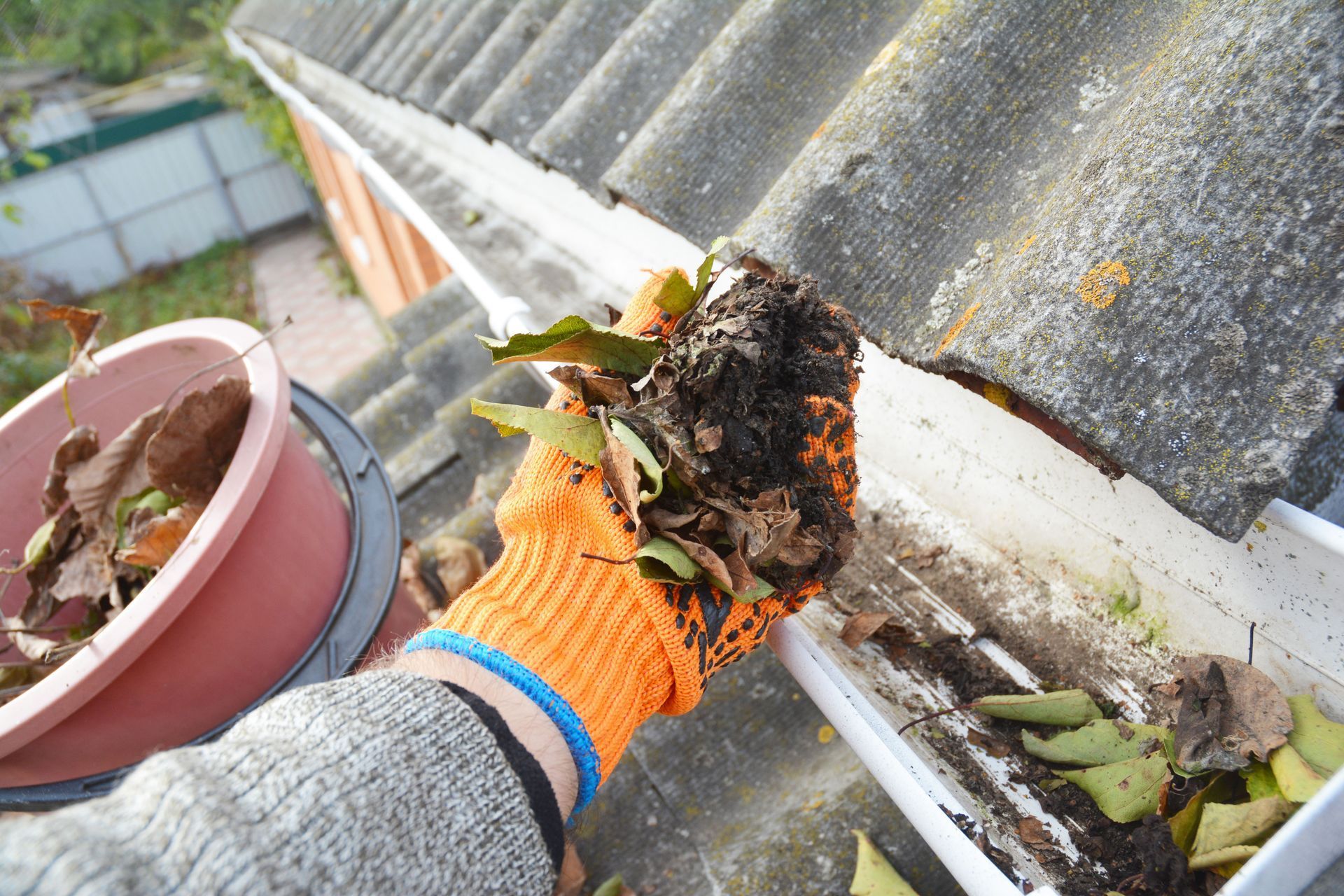
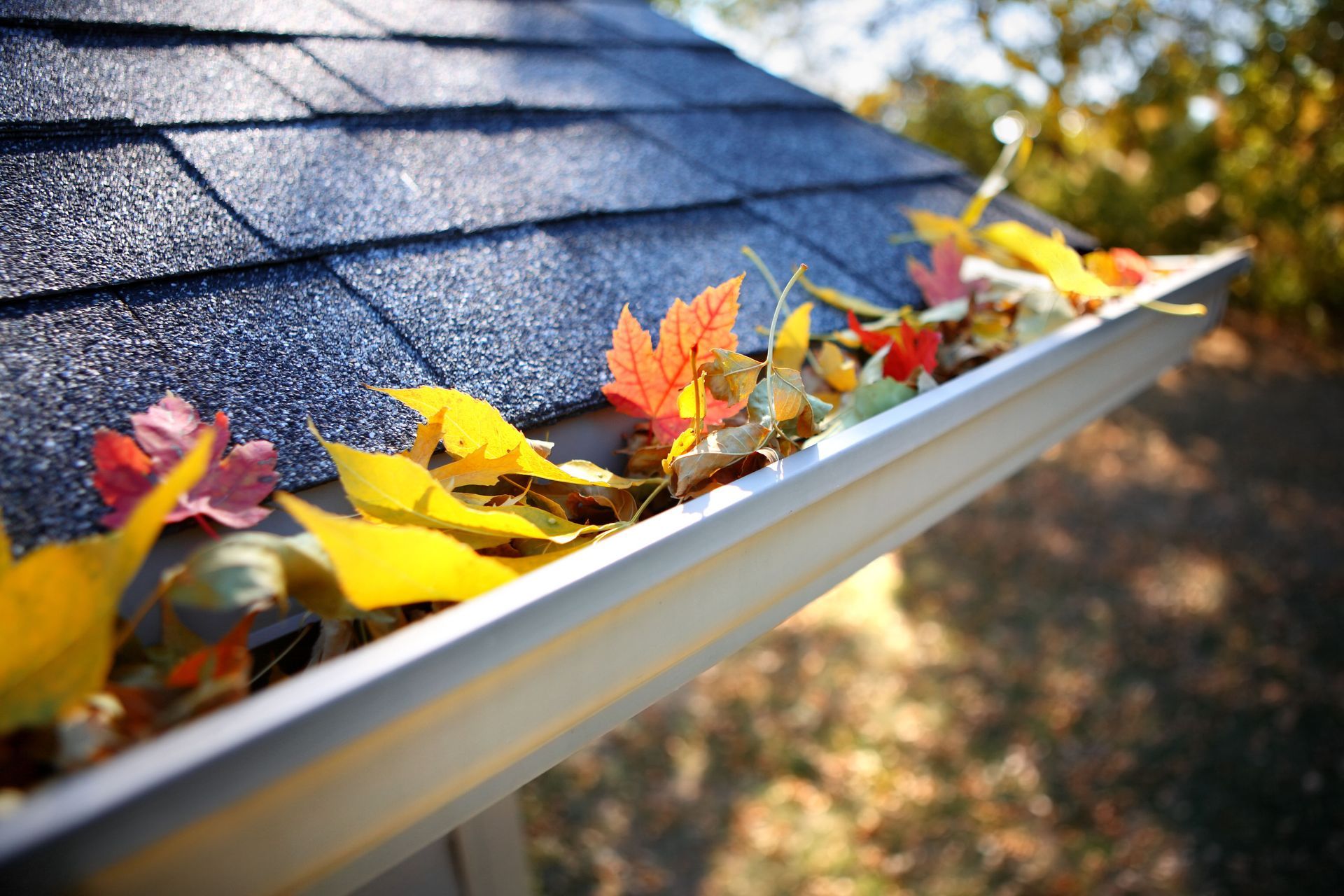
According to This Old House, gutters should slope downward by about a fourth of an inch per 10 feet to allow water to flow freely. Debris, including leaves, twigs, shingle granules, and dirt, accumulates in gutters, blocking water flow and causing overflows that damage fascia, soffits, foundations, and landscaping when drainage fails. Cleaning gutters at least twice annually, typically in spring and fall, removes accumulated debris before it creates blockages that prevent proper drainage during rain events. More frequent cleaning may be necessary for properties with overhanging trees that constantly drop leaves, seeds, or needles into gutters throughout growing seasons. Professional gutter service can handle cleaning efficiently and safely, particularly for two-story homes or properties where ladder access proves difficult or dangerous for homeowners attempting DIY maintenance.
2. Inspecting and Repairing Leaks Promptly
Small holes, cracks, or separated seams in gutters allow water to escape before reaching downspouts, defeating the purpose of gutter systems and creating localized water problems at leak points. Regular inspection during cleaning identifies developing problems when simple sealant or patches are applied before they worsen into failures requiring section replacement. Leaks at seams between gutter sections prove particularly common and require resealing with appropriate gutter sealant that withstands temperature extremes and UV exposure. Ignoring small leaks allows them to expand through freeze-thaw cycles and continued water flow, eventually requiring more extensive repairs than timely attention would have needed to restore proper function.
3. Ensuring Proper Slope and Alignment
Gutters must maintain a consistent slope toward downspouts, and sagging sections that hold standing water cannot drain properly and become breeding grounds for mosquitoes while accelerating deterioration. Checking slope using levels or simply observing whether water drains completely after rain helps identify areas requiring adjustment to restore proper drainage. Sagging typically results from loose or failed hangers that no longer support gutter weight, particularly in sections holding water or debris that adds stress beyond what properly functioning drainage would create. Professional gutter service can adjust slopes, replace failed hangers, and ensure gutters maintain the gradual pitch necessary for complete drainage.
4. Maintaining and Clearing Downspouts
Downspouts direct water from gutters away from foundations, and blockages in these vertical sections prevent drainage regardless of how clean the gutters themselves remain. Flushing downspouts with garden hoses identifies clogs that require removal using plumber's snakes or disassembly to clear stubborn blockages. Downspout extensions or splash blocks at ground level ensure water discharges far enough from foundations to prevent the basement flooding and foundation damage that concentrated discharge near buildings creates. Verifying that extensions remain properly positioned and that water actually flows through entire downspout systems proves essential for confirming that your drainage works as designed.
5. Trimming Overhanging Branches
Tree branches hanging over roofs deposit leaves, seeds, and debris directly into gutters while also providing pathways for squirrels and other pests to access roofs and potentially enter attics. Trimming branches to maintain several feet of clearance reduces debris accumulation, decreases the frequency that cleaning becomes necessary, and eliminates pest access routes. This vegetation management proves particularly important for deciduous trees that shed leaves seasonally, creating sudden heavy debris loads that can overwhelm gutters if branches overhang extensively. Regular professional gutter service often includes recommendations about vegetation management that would reduce maintenance requirements and improve system performance through reduced debris accumulation.
6. Installing Gutter Guards for Protection
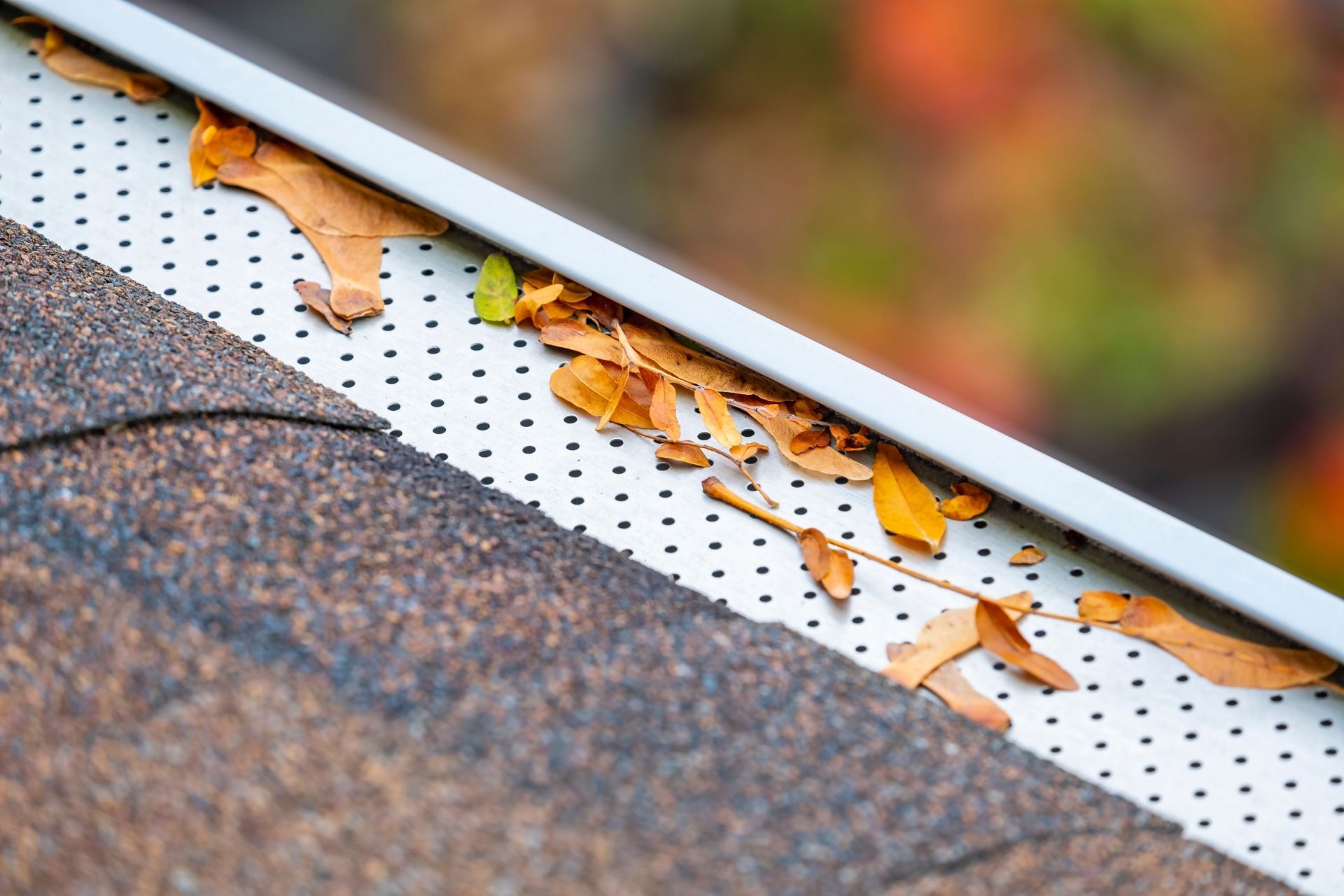
Gutter guards, screens, or covers prevent most debris from entering gutters while allowing water to flow through, dramatically reducing cleaning frequency and the risk of clogs causing overflow damage. Various guard types, ranging from simple mesh screens to sophisticated solid covers with surface tension technology, offer different levels of protection and require different maintenance approaches. While guards reduce cleaning needs, they don't eliminate maintenance, as fine debris can still accumulate, and guards themselves require periodic cleaning or adjustment.
7. Checking and Securing Loose Fasteners
Gutter hangers, spikes, and brackets that attach gutters to fascia boards can loosen over time from weight, ice, wind, and normal aging, allowing gutters to pull away from buildings. Walking around your property and visually inspecting for gaps between gutters and fascia, sagging sections, or obviously loose fasteners identifies problems requiring tightening or replacement. Addressing loose attachments promptly prevents complete detachment that requires much more extensive repair than simply tightening or replacing individual fasteners showing signs of failure. Professional gutter service includes securing loose sections during routine maintenance, preventing the progressive failures that occur when initial loosening goes unaddressed and allows additional stress on remaining attachments.
8. Preventing and Removing Ice Dams
Ice dams form when heat from poorly insulated attics melts roof snow that then refreezes at cold eaves, creating ice buildups that prevent proper drainage and force water under shingles. Adequate attic insulation and ventilation address root causes by preventing the temperature differentials that create melting and refreezing cycles, leading to dam formation. Gutter heating cables installed before winter provide additional protection, melting ice and creating drainage channels that prevent destructive backups. Removing existing ice dams requires careful techniques, avoiding damage to gutters and roofing, making professional assistance advisable for addressing significant ice accumulations.
9. Inspecting After Major Storms
Severe weather, including heavy rain, wind, and hail, can damage gutters through impact from falling branches, blown debris, or ice, requiring prompt inspection after major weather events. Wind particularly affects loosely attached sections or those already compromised by age or previous damage, making post-storm checks essential for identifying new problems. Heavy rainfall provides natural testing, revealing whether gutters handle volume adequately or if overflows indicate capacity problems, clogs, or improper slope affecting drainage. Addressing storm damage promptly through professional gutter service prevents secondary problems from developing when compromised sections fail during subsequent weather events before repairs restore proper function and structural integrity.
10. Scheduling Professional Inspections
While homeowners can perform basic maintenance, professional inspections identify subtle problems, including improper installation, inadequate slope, undersized gutters, or hidden damage that untrained observers might miss. Annual professional evaluation provides expert assessment of overall system condition, recommendations for improvements, and identification of developing problems before they cause failures requiring emergency intervention. This professional perspective proves particularly valuable for older gutter systems approaching replacement age, as experts can advise whether continued maintenance makes sense or whether replacement would prove more economical. The investment in periodic professional gutter service ensures systems receive expert attention that catches problems early and provides guidance about appropriate maintenance approaches.
Following these essential maintenance practices protects your home from water damage while extending gutter life and avoiding the premature replacement that neglect necessitates. Understanding what professional services recommend and implementing appropriate maintenance suited to your property's specific conditions ensures gutters reliably channel water away from vulnerable areas rather than failing through clogged or damaged sections. The time and modest expense that proper maintenance requires prove insignificant compared to the foundation repairs, basement flooding, and siding damage that inadequate drainage creates when gutters cannot fulfill their critical protective function. Whether you need residential gutters, commercial gutters, leaf guard services, gutter cleaning, or gutter repair, KO Gutters LLC provides same-day and emergency services, offers warranties, and gives free estimates. For more information, contact us today!