October 9, 2026
Managing water around your foundation keeps your living space dry, comfortable, and safe. When rain pours off your roof, the right management system directs that moisture safely away from your home. Proper water diversion protects your foundation walls and prevents costly moisture issues from developing below ground. Taking proactive steps today saves you from dealing with major headache-inducing water damage down the road.
Choosing the Ideal Extension Length
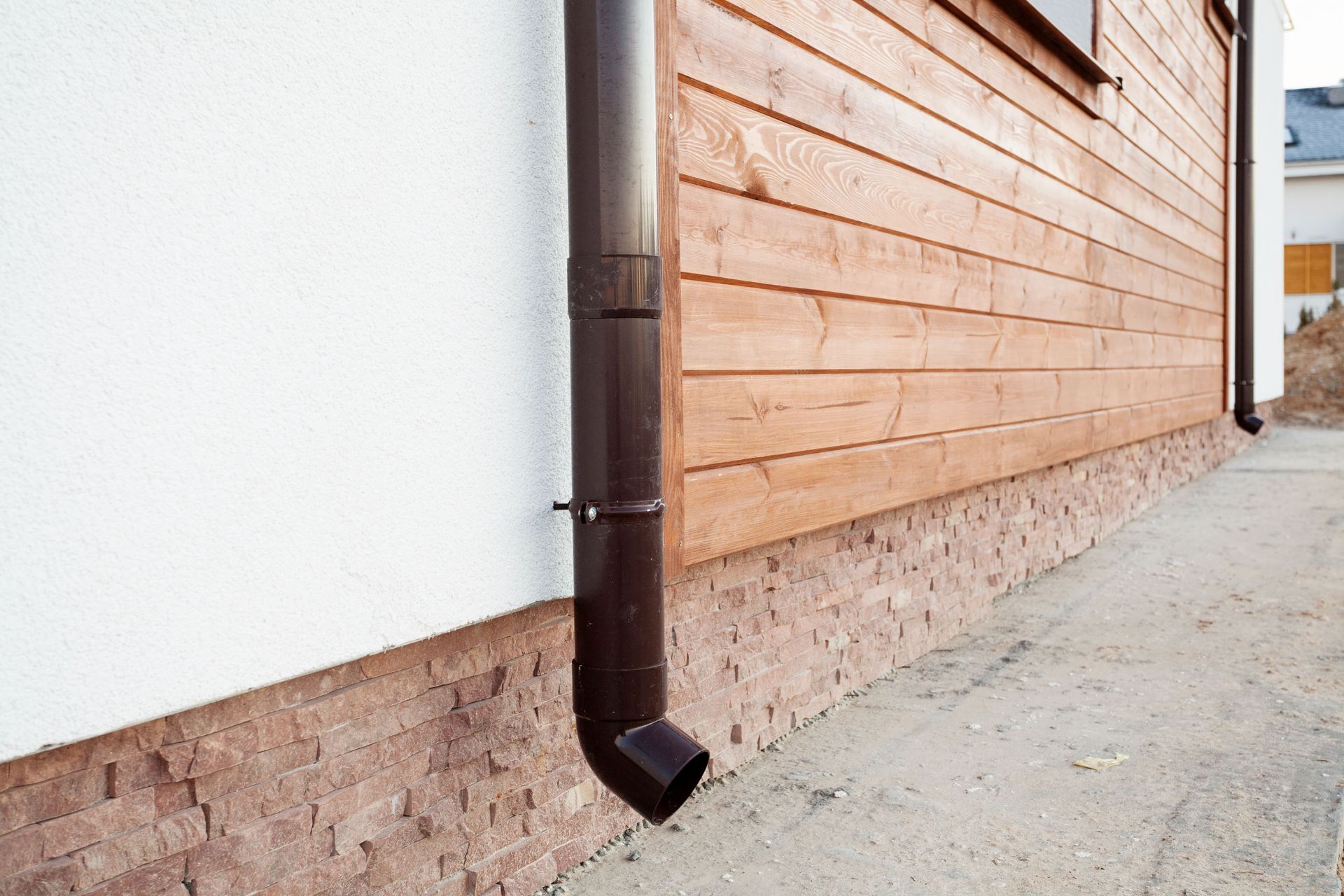
Proper extension length plays a major role in keeping groundwater far from your foundation. Standard extensions that drop water right next to your home often lead directly to flooded basements. Adding continuous length carries all that liquid waste safely into the yard where soil can naturally absorb it without stressing your lower walls. Extending these pathways gives your property a much better defense against unexpected heavy downpours.
Longer extensions give moisture room to spread out over a wider surface area. When heavy storms roll through your neighborhood, runoff needs a clear path that leads well past your foundation footprint. Selecting longer extensions ensures that heavy rain flows straight toward your lawn instead of gathering against basement walls. That simple change in direction keeps your subterranean rooms free from unwanted pooling and dampness. Spreading out the flow prevents localized soil saturation that leads to soil expansion and foundation shifting.
Professional installers select extensions based on your yard's slope and soil drainage capacity. According to the U.S. Department of Energy, only a few inches of rain hitting the roof of your home can create thousands of gallons of water runoff. Proper downspout installation helps handle these massive volumes, keeping your basement dry year after year. Customized setups give homeowners total confidence whenever dark storm clouds start gathering overhead. Tailoring pipe lengths to specific topographical features prevents water from pooling in low-lying garden zones or neighboring yards.
Placing Outlets for Optimal Flow
Strategic outlet placement makes sure water flows away from sensitive areas like walkways and patios. Placing outlets near basement walls almost guarantees that water will seep into the ground where it's least wanted. Positioning outlets on downhill slopes encourages rapid drainage without letting liquid pool near the house. Directing water toward natural low points keeps your surrounding soil completely balanced during storms. Releasing runoff onto well-draining green spaces allows vegetation to absorb surplus moisture before it can migrate back toward the foundation.
Driveways and garden beds also dictate where outlets ought to discharge their flow. If an outlet dumps water onto a flat driveway, that water often runs straight back toward your foundation. Expert placement channels all that roof runoff toward natural slopes that carry moisture safely away from the property. Proper layout choices prevent messy puddles from ruining your landscaping and driveway surfaces over time.
Correct placement requires evaluating how your whole landscape behaves during heavy downpours. Expert installers evaluate groundwater patterns to find paths that minimize erosion while protecting your subterranean rooms. A tailored downspout installation aligns each discharge point with your yard's natural drainage paths to preserve your foundation. Thoughtful planning makes a world of difference when high-volume runoff hits your property. Assessing soil absorption rates across different sections of your yard prevents overwatering delicate root systems or mulch beds.
Sizing Channels for Heavy Rainfall
Matching channel capacity to your roof's total square footage prevents overflow during sudden downpours. Standard capacity channels often struggle during torrential rain, causing water to spill over the sides and land right beside your basement walls. Upgrading channel capacity gives your system the room it needs to carry intense rainfall away quickly. Larger capacity setups clear out immense volumes without backing up or splashing onto siding.
Roof pitch also affects how fast water moves off your shingles and into the drainage system. Steeper roofs direct the rain downward at high speeds, which requires wider channels to capture the full volume. Sizing the system properly stops overflowing water from soaking the soil right next to your home's foundation. High-volume systems handle these swift currents effortlessly during unexpected summer thunderstorms. Calculating the exact velocity of water coming off steep slopes prevents water from overshooting the catchment area entirely.
When calculating system sizing, technicians consider peak local rainfall estimates to guarantee high performance. Oversized channels easily clear large volumes of liquid before any pooling occurs near your basement walls. Investing in a proper downspout installation gives your home the exact volume capacity needed for extreme weather events. Getting the measurements right from the start protects your lower level for decades to come. Incorporating wide-capacity drop outlets at key junction points accelerates drainage velocity and reduces internal fluid friction.
Anchoring Pipes to Prevent Disconnection
Secure fasteners keep drainage pipes attached firmly to your home's exterior walls through every season. High winds, heavy ice, and shifting soil can pull loose pipes apart, causing water to dump right against your foundation. Sturdy wall anchors hold every piece in place so water always flows where it belongs. Heavy-duty strap hangers bolted into solid structural framing prevent the entire assembly from pulling away under the weight of wet snow.
Seamless joints between sections stop leaks from developing along the vertical drops of your home. When joints pull apart, water trickles down the siding and settles around your subterranean walls. Using industrial fasteners guarantees that every connection remains tight and completely leak-free under intense pressure. Tight seals maintain steady flow rates through every single inch of your exterior piping. Sealing overlapping seams with specialized exterior sealants prevents fine water droplets from creeping behind exterior brick or vinyl siding.
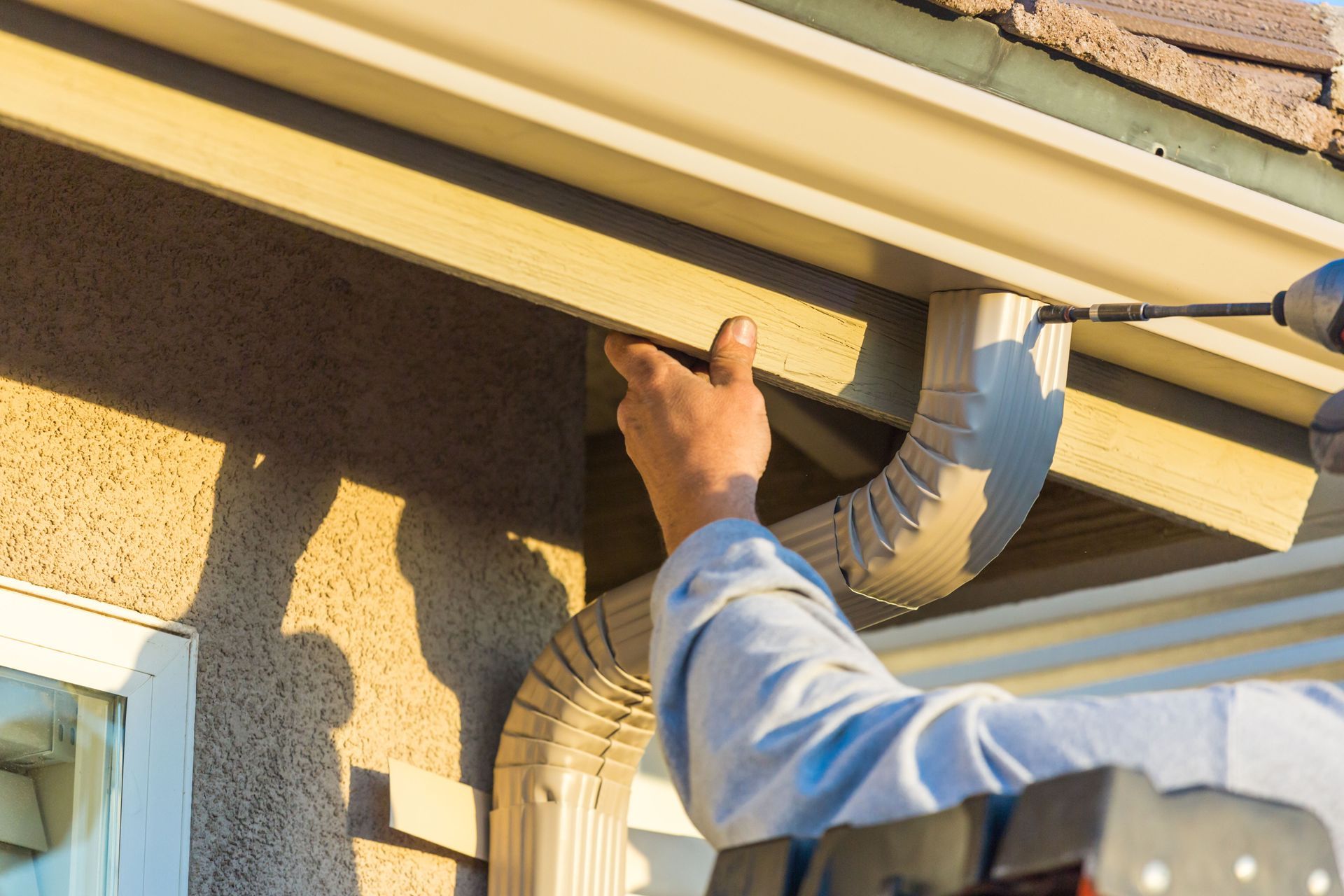
Proper attachment methods protect your home's siding while keeping the entire drainage network fully aligned. Skilled technicians anchor every section into structural framing rather than weak surface trim for maximum stability. A robust downspout installation stays locked in position, giving you complete peace of mind during severe weather. Solid mounting prevents unsightly sagging and keeps your exterior looking sharp and tidy.
Integrating Systems With Underground Drainage
Connecting vertical pipes to underground drainage lines moves surface water far away from your home. Underground piping carries heavy runoff directly to dry wells or municipal storm drains, completely bypassing your lawn. This setup eliminates surface pooling near your foundation and keeps your basement completely dry. Subsurface pathways handle heavy volumes smoothly while remaining completely hidden from view. Routing water through rigid, smooth-wall PVC pipes below the frost line prevents freeze-ups and maintains continuous flow during cold weather.
Underground connections keep your yard looking neat while providing high-volume liquid management during major storms. Exposed pipes can trip family members or get damaged by lawn equipment, leading to accidental leaks near the house. Burying the discharge lines protects the equipment while moving water off your property. Clean lawn vistas remain undisturbed while powerful drainage systems work hard beneath the grass. Installing pop-up emitters at distant discharge points keeps grass cut cleanly without creating unsightly physical obstacles in your turf.
Integrating your system with below-grade pipes demands exact pitch calculations to keep water moving smoothly. Experienced professionals slope underground pipes correctly so debris never collects or clogs the subterranean pathways. A complete downspout installation paired with underground lines offers the ultimate protection against basement flooding. Seamless subterranean networks give your property the highest standard of defense against heavy seasonal rainfall.
Protecting your home from foundation moisture starts with managing roof runoff effectively. Quality systems keep heavy rainfall moving safely away from your lower level, preventing damp walls and standing water. Investing in a professional downspout installation keeps your basement dry and preserves your home's structural health for years to come. Contact KO Gutters LLC for a reliable defense against unpredictable storm conditions.