October 24, 2026
Storms can put a home's roofing system under considerable pressure, especially when heavy rain, strong winds, and falling debris arrive together. Gutters help direct water away from the roofline, siding, foundation, and surrounding landscape, but their performance depends on keeping water flowing through the drainage system. When leaves, twigs, and other debris accumulate, rainwater may overflow and collect in vulnerable areas. Installing properly fitted gutter guards can help limit these obstructions and support more reliable drainage during changing weather conditions. Understanding how these protective components work helps homeowners make informed decisions about roof maintenance and storm preparation.
Protect Roof Edges From Overflowing Water
Heavy rainfall can quickly overwhelm a drainage system when debris restricts the movement of water through the gutters. According to the University of Minnesota Extension, a rainfall event measuring one inch can send approximately 1,250 gallons of water onto the roof of a typical home measuring 2,000 square feet. This volume demonstrates why effective drainage matters, particularly during storms that deliver substantial precipitation over a short period.
When gutters cannot carry water toward downspouts efficiently, rainwater may spill over the edges and repeatedly soak the fascia boards, siding, and areas around the home's foundation. Prolonged moisture exposure can contribute to deterioration, staining, and other maintenance concerns. Properly installed gutter guards help reduce the amount of leaves and larger debris entering the drainage channels, supporting water movement when rainfall increases.
However, protective covers cannot compensate for every drainage problem. Undersized gutters, poorly positioned downspouts, improper slopes, and existing damage may still interfere with performance. Homeowners should consider the entire drainage system rather than treating a protective cover as a complete solution to every storm-related concern.
Prevent Leaves and Debris From Blocking Drainage
Leaves, pine needles, seed pods, twigs, and roof granules can collect inside gutters as weather conditions change. When this material accumulates, it may restrict water movement and create blockages near downspouts. Debris can also become compacted when it mixes with moisture, making routine cleaning more difficult and allowing obstructions to persist between storms.
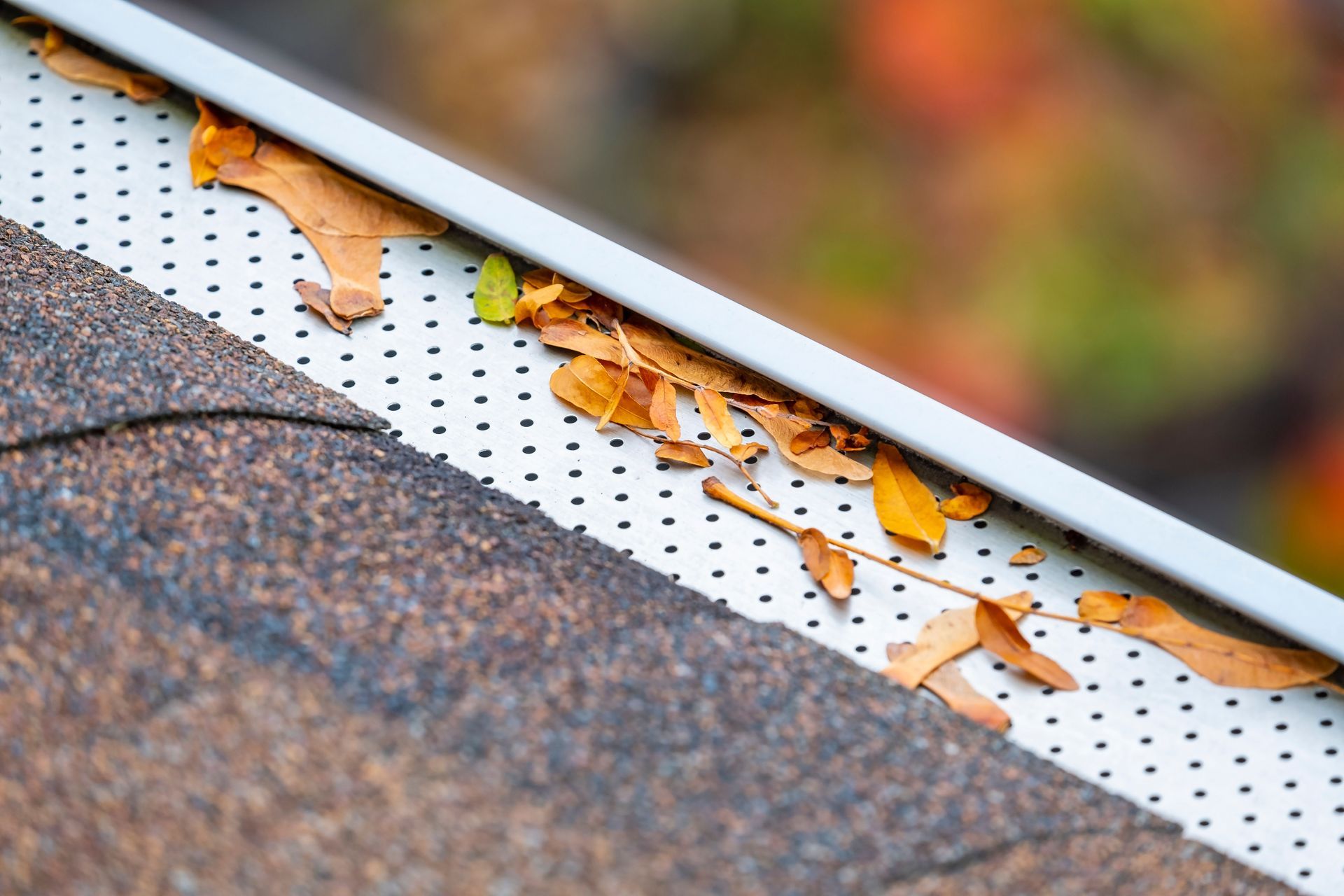
A suitable protective system creates a barrier that limits the amount of debris entering the gutters while allowing rainwater to pass through. Different designs use screens, perforated surfaces, mesh, or other configurations to separate water from unwanted material. The effectiveness of each design depends on its construction, installation quality, and compatibility with the surrounding trees and roofing materials.
Homeowners should choose a system based on the debris their property commonly encounters. Fine needles may pass through openings that successfully block larger leaves, while certain mesh designs may require occasional cleaning to prevent surface buildup. Selecting the right solution involves considering local weather, nearby vegetation, and the maintenance demands of the chosen product.
Reduce Storm Damage Around the Roofline
The roofline includes several components that can be affected when drainage fails. Fascia boards support the gutter attachment, while soffits and nearby roofing materials help protect the underlying structure. When water repeatedly overflows or remains trapped around these areas, moisture can contribute to peeling finishes, wood deterioration, and damage that requires professional attention.
During storms, strong winds can also push leaves and branches toward roof edges, increasing the amount of debris entering open gutters. Protective covers help reduce this accumulation, making it less likely that large amounts of organic material will obstruct the drainage channel. This can be particularly useful for properties surrounded by mature trees or exposed to frequent seasonal storms.
Still, homeowners should inspect the roofline after severe weather when conditions are safe. Loose gutter sections, bent brackets, damaged flashing, and separated joints may indicate that repairs are necessary. Even well-designed gutter guards cannot prevent damage caused by falling limbs, wind-driven debris, or structural problems elsewhere on the roof. Addressing these issues promptly helps preserve the drainage system's overall function.
Maintain Consistent Water Flow Through Downspouts
Gutters collect runoff from the roof and direct it toward downspouts, which carry water toward designated discharge areas. If leaves and debris obstruct these channels, water may accumulate inside the gutter and eventually spill over its edges. A protective cover can reduce debris entering the system, helping maintain the pathway water needs to travel during rainfall.
Downspouts remain essential because they determine how effectively collected water leaves the roofline. Their placement, capacity, and condition affect whether runoff moves away from the house or collects near vulnerable areas. Extensions and appropriate discharge arrangements can help direct water away from the foundation, although the best approach depends on the property's grading and drainage conditions.
Homeowners should periodically check for visible signs of restricted flow, such as water spilling from unexpected locations or remaining in gutters after rainfall. Cleaning may still be necessary even when protective covers are installed. Fine debris, roof particles, and surface buildup can interfere with drainage, so the entire system should receive appropriate maintenance rather than relying on the covers alone.
Choose Materials That Match Local Weather Conditions
Protective systems differ in material, design, durability, and installation requirements. Metal mesh, aluminum screens, and other manufactured options offer different approaches to keeping debris out while allowing rainwater to enter the gutter. Homeowners should evaluate the product's construction and suitability for their roof rather than choosing solely by appearance or initial cost.
Wind exposure is another consideration. A poorly fitted cover may loosen during severe weather, allowing debris underneath or creating additional maintenance concerns. Secure attachment, proper alignment, and compatibility with the existing gutter profile help the system perform as intended. Materials should also be appropriate for the property's exposure to moisture, temperature changes, and environmental wear.
Professional assessment can help identify a practical option for the home's specific conditions. Experienced installers can examine roof edges, gutter dimensions, drainage patterns, and potential attachment challenges before recommending a suitable product. Homeowners considering gutter guards should also ask about cleaning requirements, product warranties, installation coverage, and the maintenance needed to preserve performance over time.
Schedule Maintenance Before Severe Weather Arrives
Storm preparation is most effective when homeowners identify drainage problems before heavy rain begins. Seasonal inspections can reveal loose fasteners, sagging sections, separated joints, clogged downspouts, and debris accumulating along protective surfaces. Addressing these concerns ahead of severe weather reduces the likelihood that an existing problem will interfere with water movement during a storm.
Although protective covers can reduce cleaning demands, they do not eliminate maintenance entirely. Leaves may collect on top, fine particles can accumulate in openings, and wind-driven debris may lodge around corners or roof valleys. Regularly checking accessible areas and arranging professional service when needed helps maintain drainage performance without requiring homeowners to climb onto roofs or work from unsafe positions.
Homeowners should avoid inspecting gutters during active storms or climbing ladders in wet, windy conditions. If a drainage problem appears difficult to reach or involves damaged roof components, a qualified professional can assess the situation more safely. Routine attention also provides an opportunity to identify problems before they contribute to water intrusion, damaged exterior materials, or costly repairs.
Proper drainage is an important part of protecting a home from storm-related damage, and the right gutter protection can help keep water moving while limiting debris buildup. Don't wait for overflowing gutters to expose weaknesses around your roofline. Contact KO Gutters LLC to discuss gutter protection options and prepare your home's drainage system for the next storm.