November 4, 2026
Gutters do more than carry rainwater off the roof. They guide runoff away from siding, walkways, landscaping, and the foundation, where excess moisture can cause lasting damage. When a gutter develops a leak, pulls away from the fascia, or fills with debris, water may end up in places it should never reach.
Fortunately, many problems can be corrected before they affect the rest of the property. Knowing what to look for, when to schedule gutter repairs, and how to maintain the system can help homeowners protect their investment without replacing components unnecessarily.
Understanding How Gutters Protect the Home
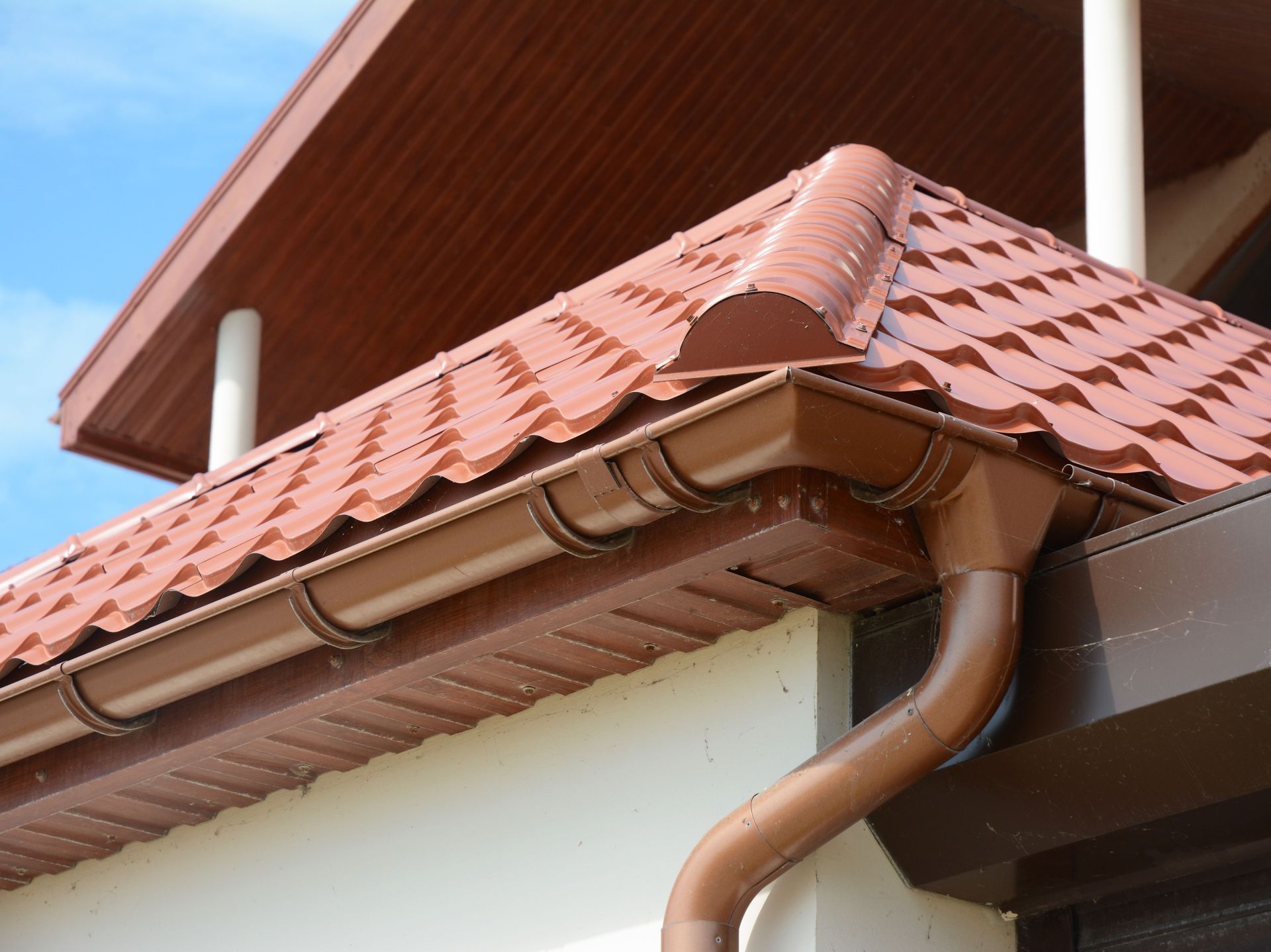
A properly functioning gutter system collects roof runoff and moves it through downspouts to a suitable drainage area. This helps limit soil erosion, water stains on exterior walls, and standing water near the foundation. Gutters also help prevent overflow from reaching windows, doors, and other vulnerable openings.
Problems develop when the system cannot carry water efficiently. Leaves can obstruct an outlet, a loose bracket can change the gutter's angle, or an open seam can direct water against the fascia. During heavy rainfall, even a small defect may create a concentrated stream that repeatedly wets the same area.
Routine inspections are especially useful after severe storms and during seasons when trees shed leaves. Catching a developing problem early usually leaves more options for fixing it before nearby building materials are affected.
Recognizing Early Signs of Damage
Water spilling over a gutter during rainfall is an obvious warning, but other problems are easier to miss. Look for streaks below joints, peeling paint on fascia boards, gaps between the gutter and roofline, and damp soil directly below a downspout. Rust spots on steel gutters or cracks in vinyl sections may also indicate deterioration.
Sagging deserves attention because it may mean the gutter is carrying trapped debris or pulling away from its fasteners. Water that remains in a section long after the rain stops can point to improper slope or an obstruction.
These signs do not always call for a new system. Targeted gutter repairs may restore proper drainage when the surrounding sections are still sound. However, persistent leaks or damaged underlying wood require closer evaluation rather than another temporary patch.
Clearing Blockages and Restoring Water Flow
Clogs are among the most common causes of gutter overflow. Leaves, twigs, roofing granules, and airborne debris can collect near downspout openings. As material accumulates, water backs up and may spill over the edge even when the gutter itself has no holes.
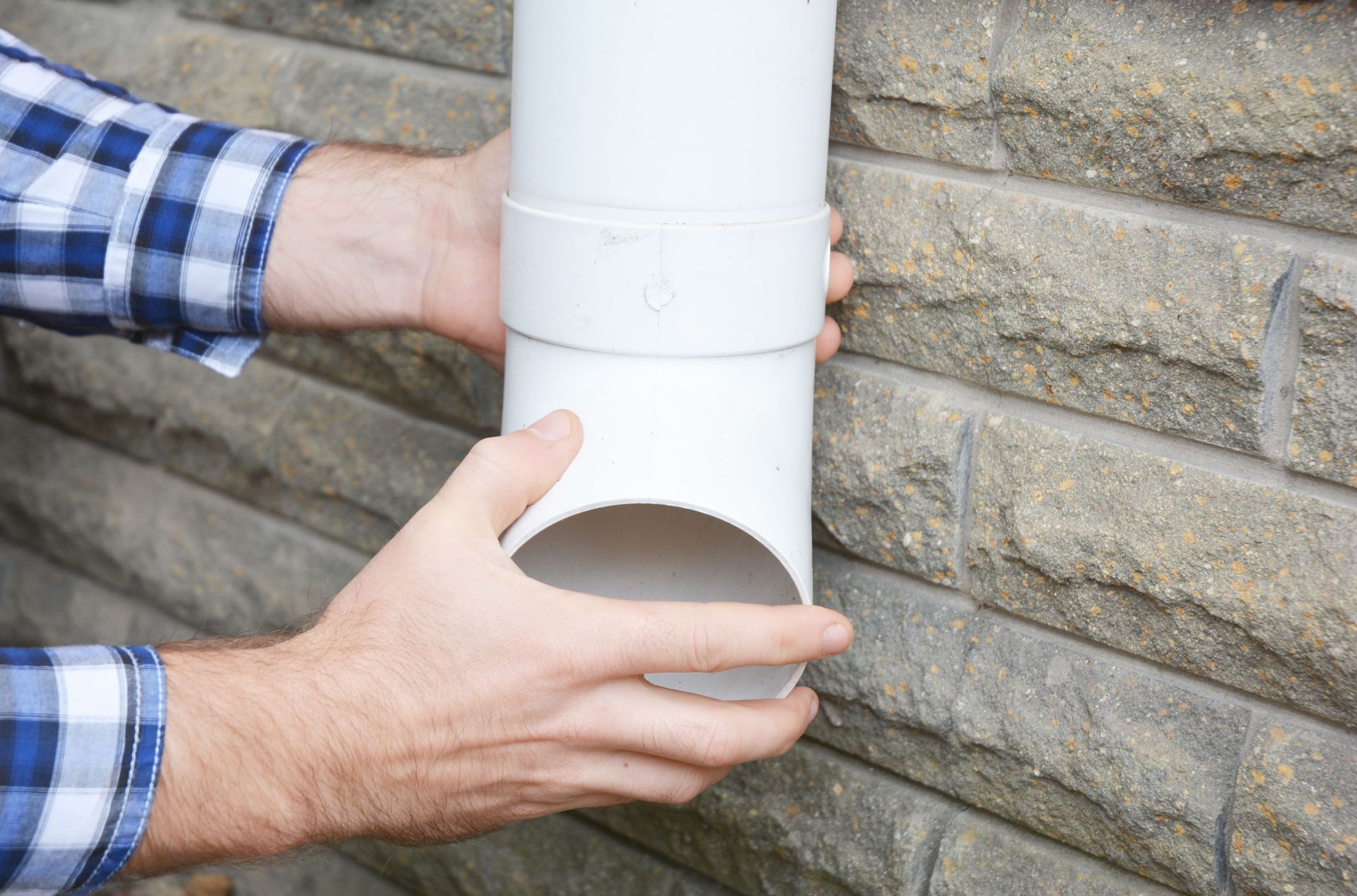
Cleaning should include both the horizontal runs and the downspouts. Once debris is removed, running water through the system can help reveal slow drainage, leaks, and sections that hold water. If a downspout remains blocked, its elbows may need to be disconnected and cleared using methods appropriate for the material.
Working on ladders or near roof edges creates fall hazards. Homeowners who cannot safely reach the system should hire a qualified professional. Cleaning from the ground with suitable tools may be an option for some homes, but it is not a substitute for safely checking damaged attachments.
Choosing Materials That Match the Existing System
Repair materials should be compatible with the existing gutters. Aluminum is lightweight and does not rust, although dents and separated seams still need attention. Steel is strong but may corrode where protective coatings fail. Copper is durable and develops a patina over time, while vinyl can become brittle in extreme temperatures.
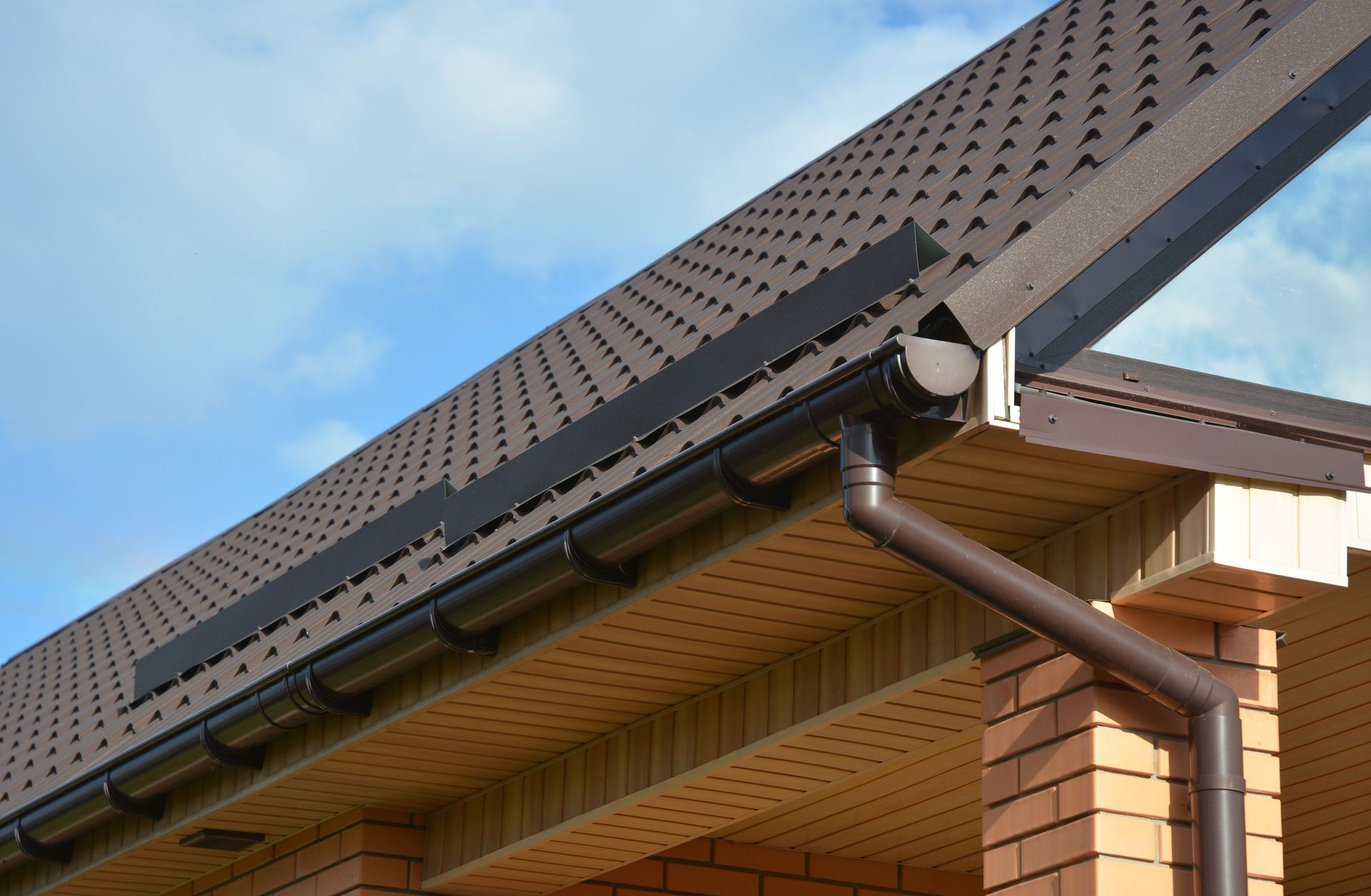
For gutter repairs, shape matters as much as material. According to Forbes, half-round gutters are the most popular style option in the United States, with a price range around $4 to $36 per linear foot. Actual project costs can vary by material, dimensions, installation conditions, and local labor rates.
Before purchasing replacement pieces, consider whether they will match the existing profile and connections. Mixing incompatible components can create weak joints or affect water flow. Climate, roof size, and typical rainfall should also guide decisions about materials and capacity.
Repairing Leaks, Seams, and Loose Sections
A small leak at a seam may be repairable with a gutter-specific sealant applied according to the manufacturer's instructions. The surface generally needs to be clean, dry, and free of loose material for the sealant to bond correctly. Small holes may also be patched with products suitable for the gutter material and the damage involved.
Loose hangers or brackets can sometimes be replaced or repositioned. However, fasteners that repeatedly pull out may indicate deteriorating fascia rather than a simple hardware problem. The underlying wood should be evaluated before new attachments are installed.
Slope is another important consideration. Gutters need a slight, consistent decline toward their downspouts. A section that dips between supports can trap water and debris, even after other gutter repairs are completed. Correcting alignment requires attention to both drainage and secure fastening.
Deciding When Replacement Is Necessary
Not every damaged gutter should be patched. Multiple leaks along a long run, widespread corrosion, extensive cracking, or recurring separation at joints may make replacement a better long-term choice. A system that is undersized for the roof or poorly positioned may also continue overflowing despite frequent cleaning.
Localized damage is different. If most of the gutter remains in good condition, replacing one section or correcting its supports may be sufficient. An inspection can help determine whether a limited repair will solve the underlying problem or merely delay a larger project.
Homeowners should also look beyond the gutter itself. Rotted fascia, damaged roof edges, or drainage that directs water back toward the building may need separate attention. A sound decision weighs the condition of the entire system, not just the most visible leak.
Preventing Problems Through Seasonal Maintenance
Preventive care begins with a simple schedule. Inspect gutters in the spring and fall, and check them again after major storms when conditions are safe. Homes beneath mature trees may need cleaning more often, particularly when leaves and seed pods are falling.
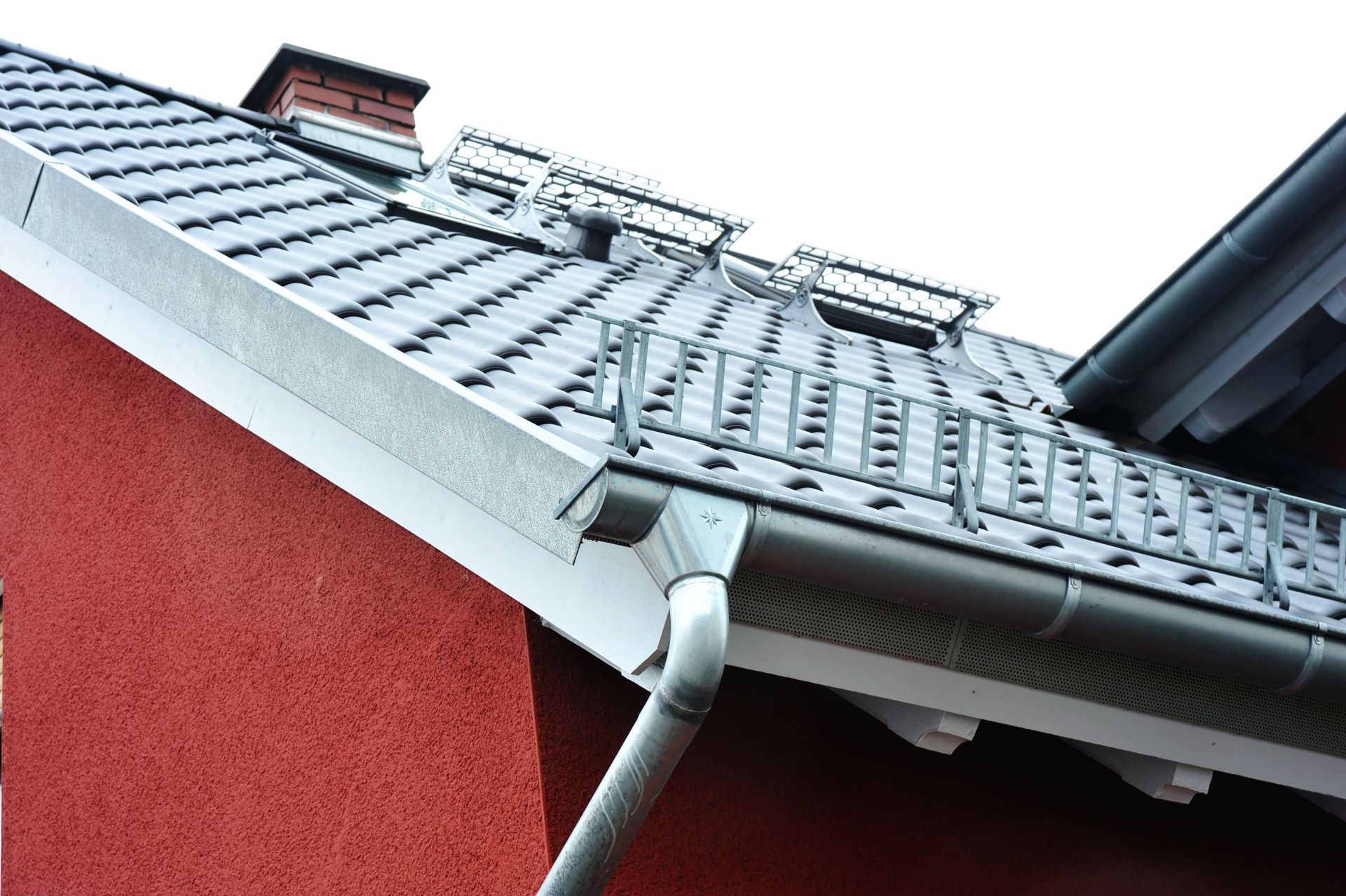
Trimming branches that extend over the roof can reduce debris and the risk of impact damage, although substantial tree work is best left to trained professionals. Gutter guards may limit the amount of material entering the system, but they do not eliminate the need for inspections or occasional cleaning.
Downspouts also deserve attention. Extensions should discharge water away from the foundation without creating hazards on paths or neighboring properties. Where water repeatedly pools, grading or other drainage improvements may be needed. Regular maintenance can reduce the frequency of gutter repairs while helping existing components last longer.
Hiring a Professional With Confidence
Some maintenance tasks are manageable from the ground, but high rooflines, extensive damage, and complicated drainage issues call for professional assessment. When comparing contractors, ask how they will locate the cause of the problem, whether damaged fascia needs attention, and which materials they recommend.
A written estimate should identify the proposed work, materials, labor, and anticipated schedule. Ask whether the quoted price includes cleanup and disposal of removed components. If a warranty is offered, review its duration, coverage, and exclusions instead of assuming every future leak will qualify.
It is also reasonable to ask about insurance and experience with the home's particular gutter style. Clear answers can help homeowners compare proposals on quality and scope rather than price alone. Thorough gutter repairs should address the reason water is escaping, not simply conceal the most visible symptom.
Protecting the Home With Consistent Gutter Care
Reliable drainage depends on a combination of clean channels, secure connections, appropriate materials, and properly positioned downspouts. By watching for early warning signs and correcting issues before they spread, homeowners can reduce the likelihood of water damage to siding, landscaping, and foundations.
Whether a property needs a sealed seam, a reattached section, or a more extensive evaluation, timely
gutter repairs are an important part of exterior maintenance. Homeowners can consult KO Gutters LLC about their gutter concerns and whether maintenance, targeted repairs, or replacement may be appropriate.