November 2, 2026
Choosing the right gutters for your home is a crucial decision that impacts the longevity and functionality of your property. Efficient gutter systems with the correct gutter guard option prevent water damage, which can lead to costly repairs and hinder your home's aesthetic appeal. A well-designed gutter system channels rainwater away from your home, protecting the roof, walls, and foundation. This guide explores the various options available and provides the knowledge needed to make an informed choice. By understanding the role and types of gutters, along with installation and maintenance considerations, you can ensure your home remains in excellent condition and retains its value over time.
Understanding the Importance of Gutters
1.1 Protecting the Foundation
The foundation of any home is a critical structural element that must be preserved to maintain the property's integrity. Gutters play an essential role in channeling rainwater away from the foundation, reducing the risk of water seeping into the ground and causing cracks. Without a proper gutter system, the soil around the foundation can become saturated, leading to erosion and shifting that weakens the foundation's stability. Protecting the foundation not only helps in avoiding costly repairs but also ensures the home's longevity and safety. Investing in quality gutters and gutter guard options is a proactive step towards safeguarding your property.
1.2 Preventing Roof Damage
A well-functioning gutter system is vital in preventing roof damage, particularly from water accumulation that can lead to rot and leaks. When rainwater is not effectively directed away from the roof, it can pool and cause shingles to deteriorate, leading to costly repairs or replacements. Gutters and a gutter guard help avoid excess weight from water buildup, which can stress the roof structure and lead to sagging and leaks. By directing water away from the roof, gutters not only preserve the integrity of roofing materials but also extend their lifespan. In essence, investing in proper gutters is investing in the longevity of your roof.
1.3 Avoiding Erosion
Erosion is a natural process exacerbated by uncontrolled water runoff, which gutters are specifically designed to manage. By directing rainwater away from the surface, gutters prevent the soil around your home from washing away, which can lead to unsightly landscapes and even foundational issues. Without gutters, water can strip away soil and create trenches and waterlogged areas in your yard. Erosion also affects driveways and walkways, leading to dangerous and uneven surfaces. Effective gutter systems protect the landscape and maintain the aesthetic and functional value of the property.
1.4 Maintaining Landscaping
Landscaping is an investment that adds to the curb appeal and overall value of a property, which gutters can help preserve. Excessive water can damage plants, wash away mulch, and lead to unsightly overflows that compromise the beauty of the landscape. By effectively dispersing rainwater, gutters prevent soil saturation and standing water that can inhibit plant growth and lead to bacteria and pests. Additionally, proper gutter installation minimizes the risk of soil compaction around trees and shrubs, which can stifle root growth. Maintaining the health and appearance of landscaping is yet another advantage of a well-designed gutter system.
Different Types of Gutters
2.1 K-Style vs Half-Round
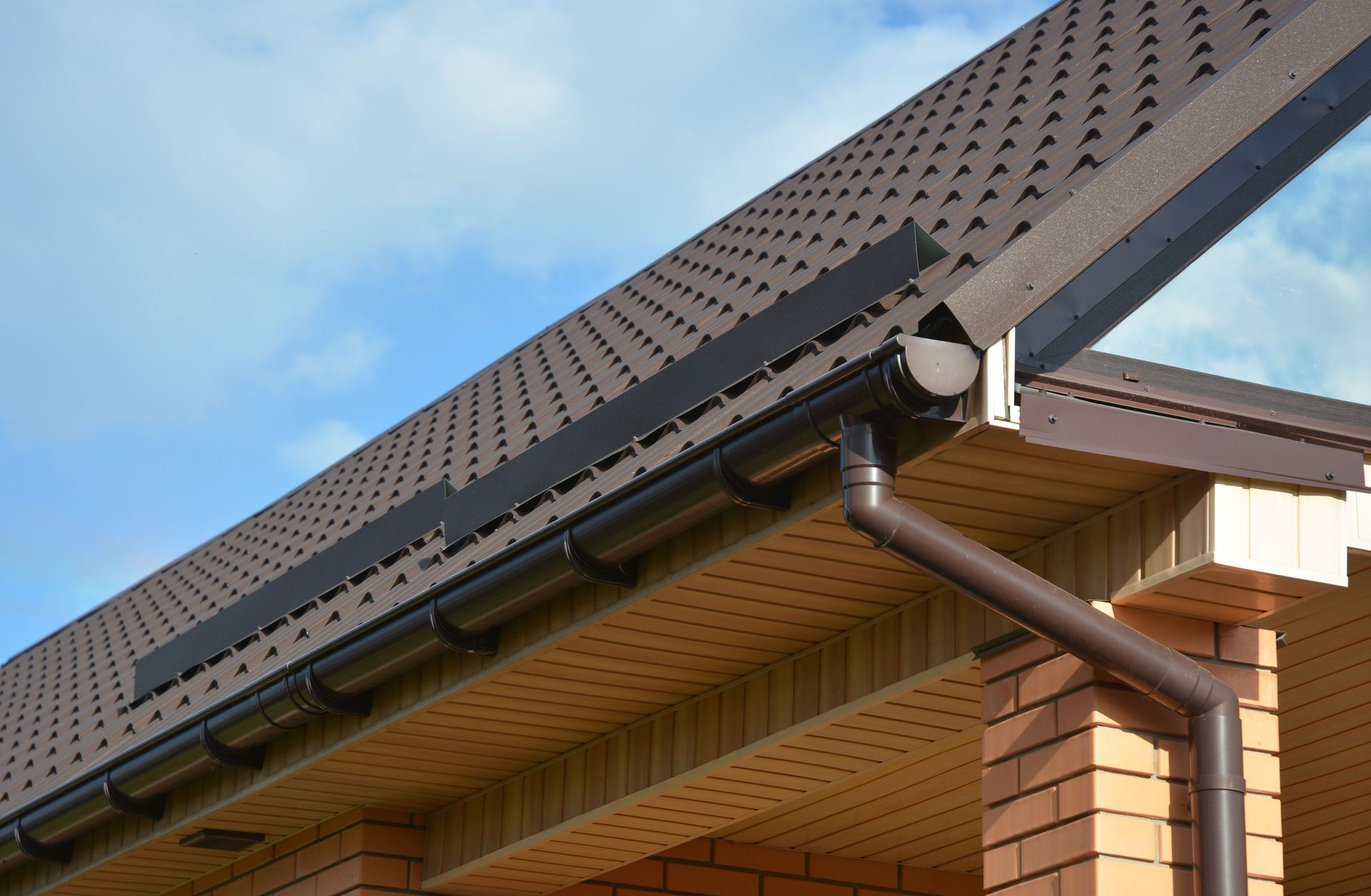
Gutter design significantly influences the efficiency and aesthetic of a home, with K-style and half-round being the predominant styles. K-style gutters have flat backs and bottoms with a decorative front that resembles crown molding, making them both functional and visually appealing. They have a higher capacity than half-round gutters, which is advantageous for homes in wetter climates. On the other hand, half-round gutters offer a classic look and easy cleaning owing to their smooth profile. Choosing the right style and gutter guard depends on the home's architecture, the local climate, and personal preference. According to This Old House, around 27% of homeowners installed gutter guards to prevent clogging or flooding in their gutters.
2.2 Sectional vs Seamless
When considering gutter systems, homeowners often need to decide between sectional and seamless gutters. Sectional gutters are premade in pieces and assembled on-site, making them more affordable upfront but prone to leaks at the seams over time. Conversely, seamless gutters are custom-made on-site from a single piece of material, significantly reducing leakage risk. According to Big River Roofing, over 80% of homeowners choosing new gutter systems opt for seamless aluminum over traditional sectional pieces due to their durability and minimal maintenance. The choice largely depends on budget, aesthetic preference, and long-term performance considerations.
2.3 Custom Gutter Designs
Custom gutter designs present an opportunity for homeowners to tailor the system to meet specific architectural and functionality needs. Custom designs can integrate unique shapes, colors, and materials that complement the home's overall design. Furthermore, custom systems ensure precise fitting and alignment with the building's roofline, eliminating the mismatched pieces often seen in prefabricated systems. While offering more aesthetic options, custom designs often come at a higher cost and require professional installation for optimal performance. Thus, they are an option for those seeking personalized functionality and enhanced curb appeal.
2.4 Materials: Aluminum, Copper, PVC, and More
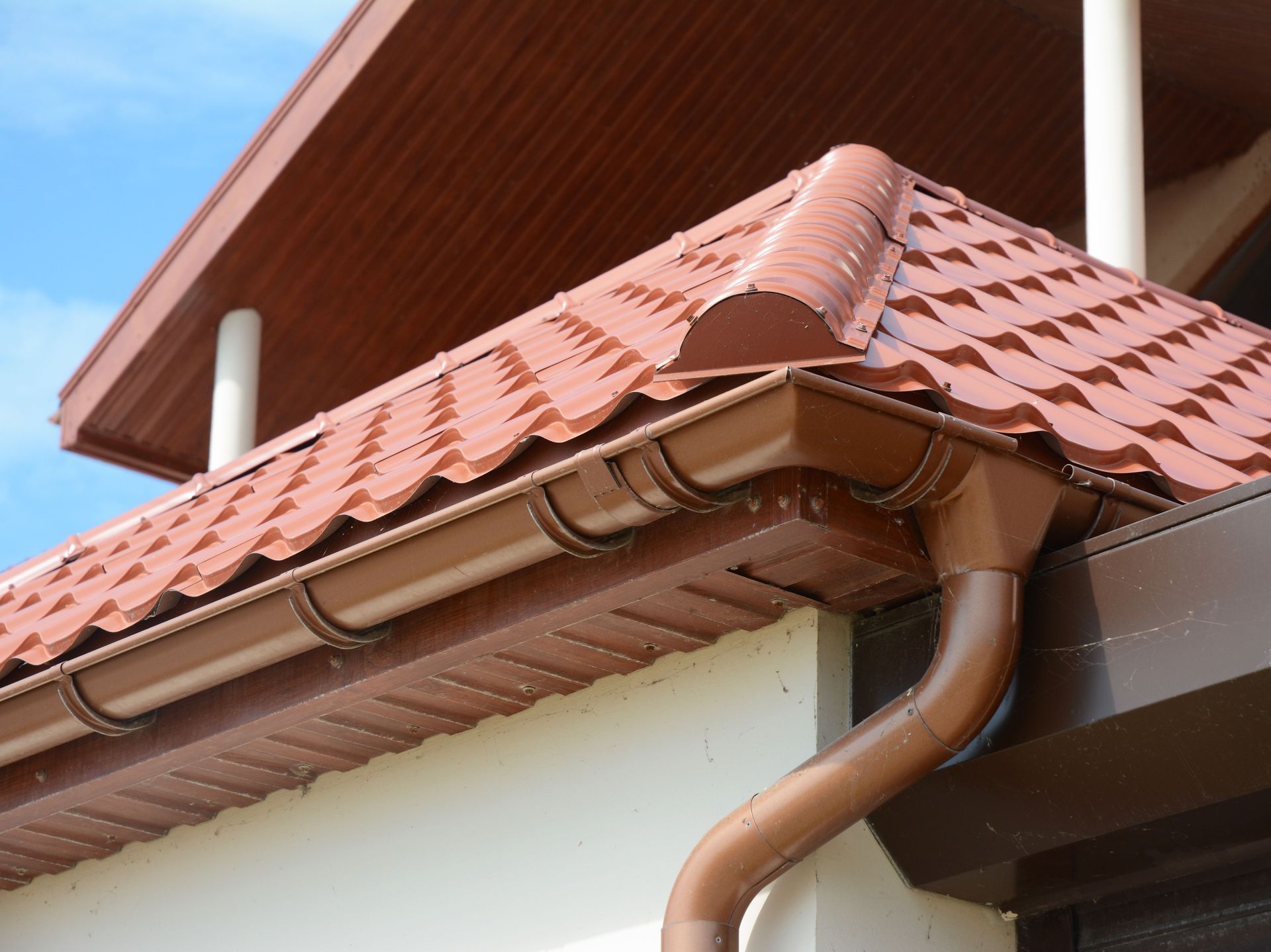
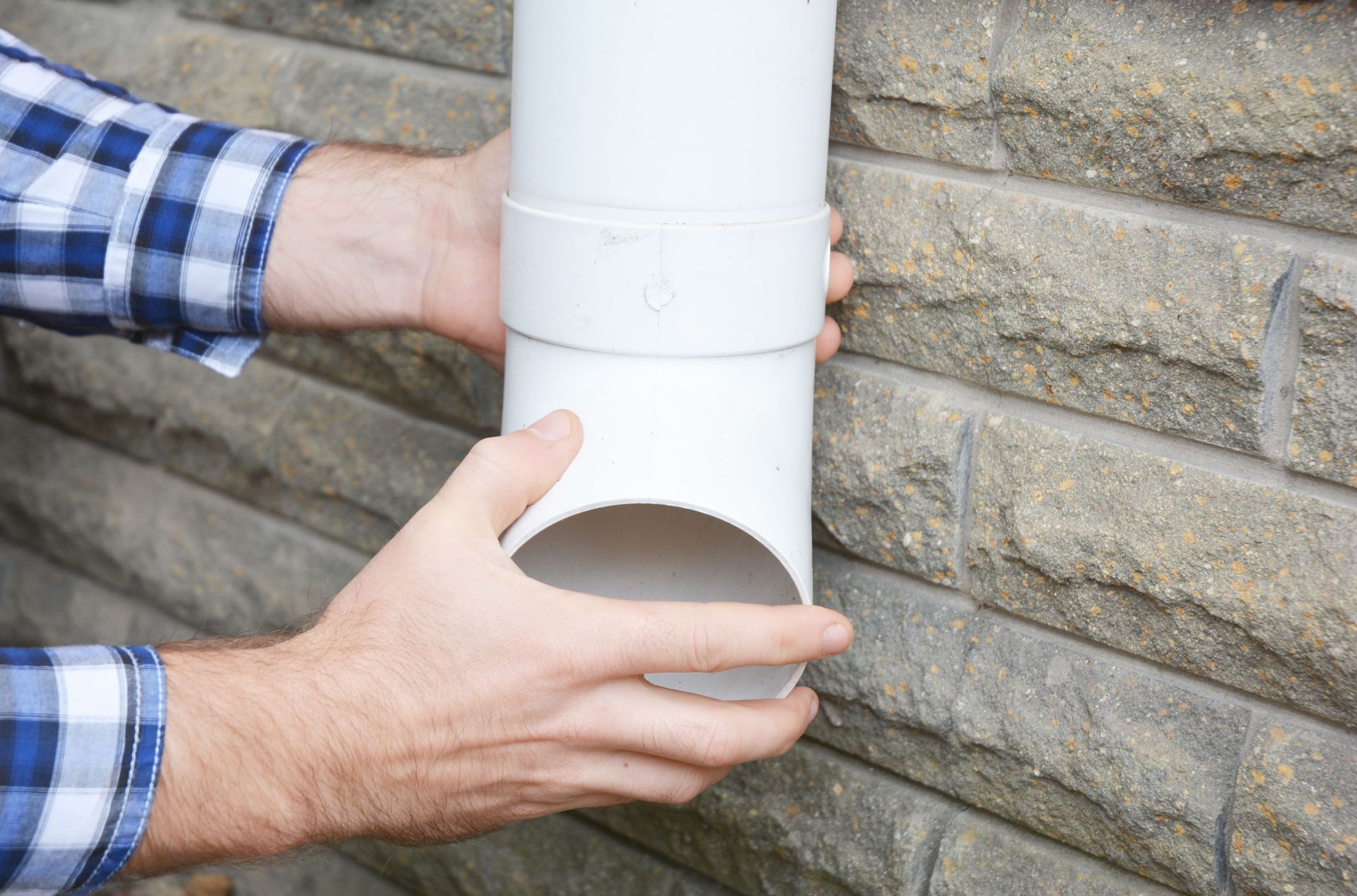
The material used for gutters influences their durability, performance, and aesthetic. Aluminum is a popular choice due to its lightweight nature, corrosion resistance, and affordability. Copper, while more expensive, offers a distinctive aesthetic with its natural patina and exceptional longevity. PVC is a cost-effective option suited for DIY installations, although it can be less durable in extreme temperatures. Other materials, such as galvanized steel, also provide additional options based on climate and budget. Ultimately, the choice of material should reflect the homeowner's priorities regarding durability, cost, and appearance.
2.5 Sizing: 5-inch vs 6-inch Gutters
Gutter sizing is a critical component in ensuring they function effectively during heavy rains. Standard gutters are typically 5 inches in diameter, a size that suits the average residential property. However, in areas with heavy rainfall, 6-inch gutters provide an increased capacity for water flow, preventing overflow and water damage. The choice of size should also consider the slope of the roof and the total roof surface area. A professional assessment can determine the appropriate size that balances capacity and aesthetic considerations for specific climates and homes. Proper sizing prevents overflow and maximizes the efficiency of the gutter system.
Material Comparisons and Considerations
3.1 Longevity and Durability
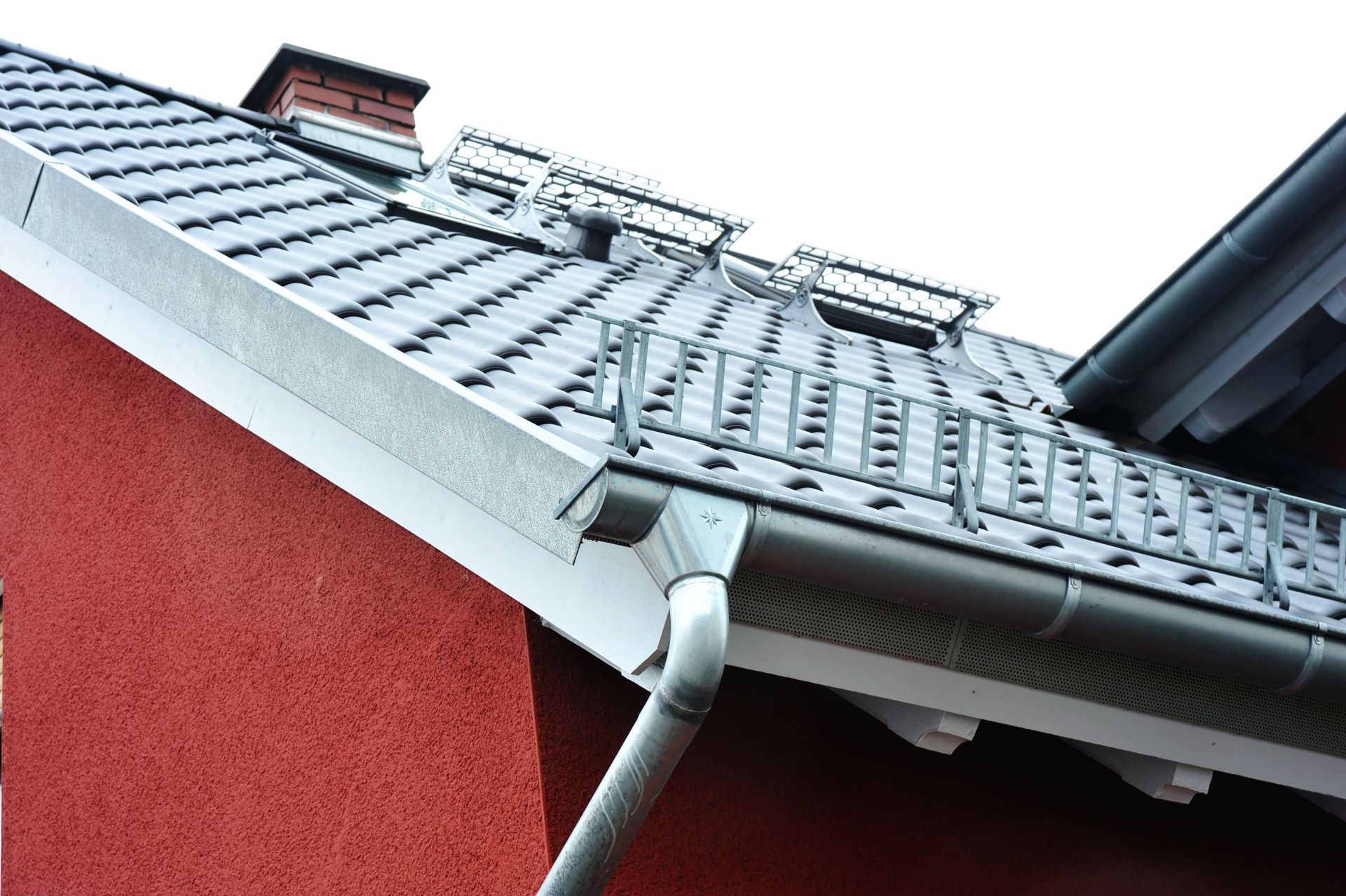
The choice of gutter material significantly impacts the system's longevity and durability. Aluminum, for instance, is praised for its resistance to rust and lightweight composition, making it a common choice among homeowners. Copper gutters, though more expensive, can last over 50 years due to their robust nature and resistance to weathering and corrosion. PVC, while lightweight and affordable, may not withstand harsh weather conditions over the long term as effectively as metal gutters. Evaluating the pros and cons of each material ensures that homeowners select a gutter system that will provide long-term value and reliability.
3.2 Climate and Weather Impact
Climate and weather patterns should guide gutter material selections to ensure optimal performance. In regions with heavy rainfall or snow, durable materials like aluminum or steel may be preferable for their strength and resistance. Copper also fares well in a variety of environments, developing a protective patina that enhances weather resistance. Conversely, PVC may be suitable in milder climates but can crack in freezing temperatures. Taking local climate into account helps in choosing a gutter system that offers both performance and longevity under specific weather conditions, safeguarding your home against the elements.
3.3 Aesthetic Appeal
The visual impact of gutter materials is another important consideration for homeowners. Copper gutters stand out for their unique appearance, which can enhance architectural features and create a rustic charm as they patina over time. Aluminum offers versatility regarding color and paint options, blending seamlessly with various home styles. PVC and other plastic-based materials may offer fewer color choices but remain effective for those seeking cost-efficient options. Ultimately, selecting a gutter material that complements your home's design aesthetic can enhance curb appeal and create a cohesive exterior look.
Are you looking to install new gutters or explore
gutter guard options? Contact our team at KO Gutters LLC today. We'd love to assist you!