November 1, 2026
The importance of a well-functioning gutter system cannot be overstated. Often, homeowners focus on the quality of gutters, neglecting the equally vital role of proper downspout placement. Experienced gutter contractors know downspouts are as crucial as the gutters themselves in home maintenance.
The Role of Downspouts in Rainwater Management
Understanding the Basics
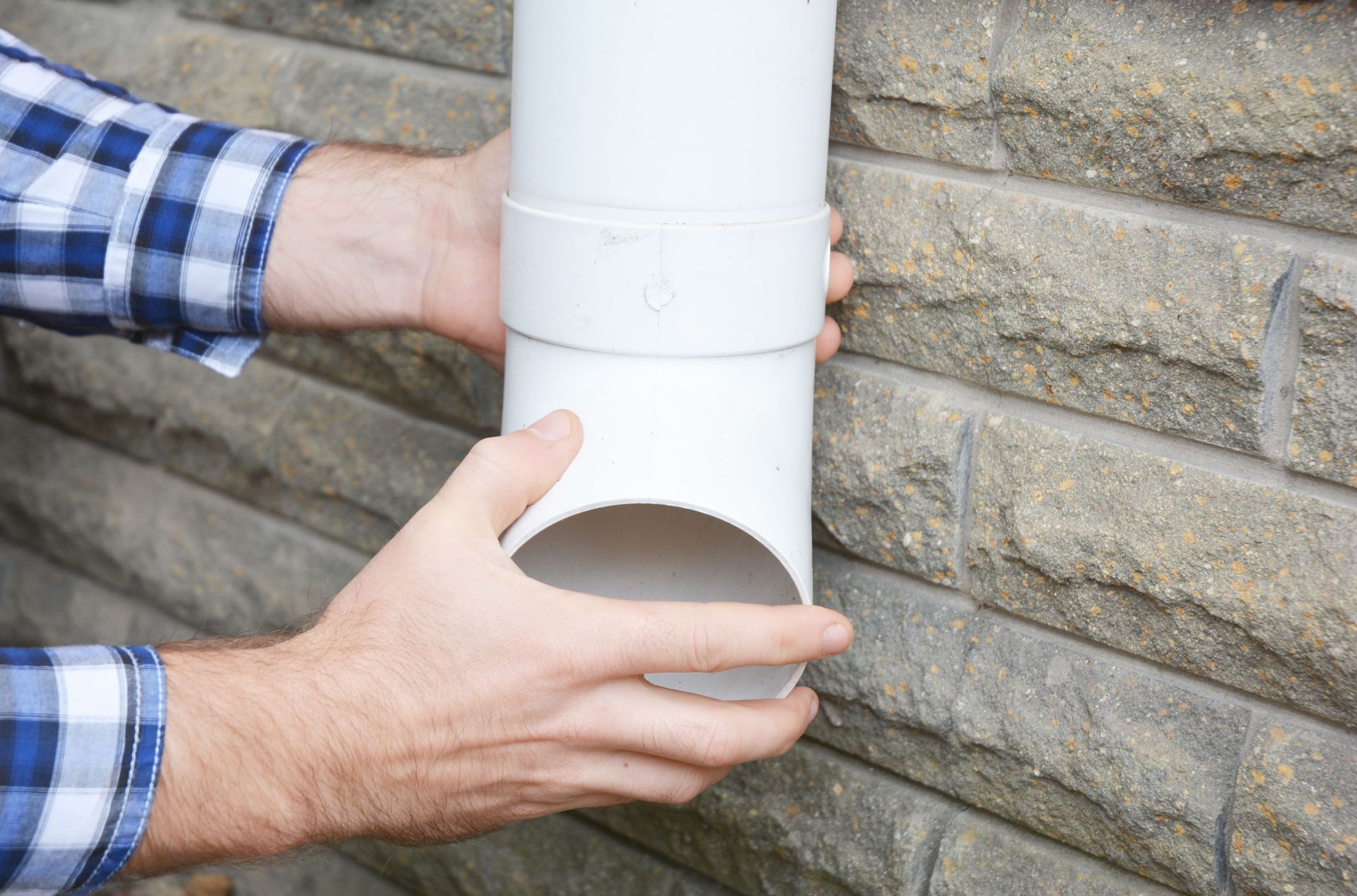
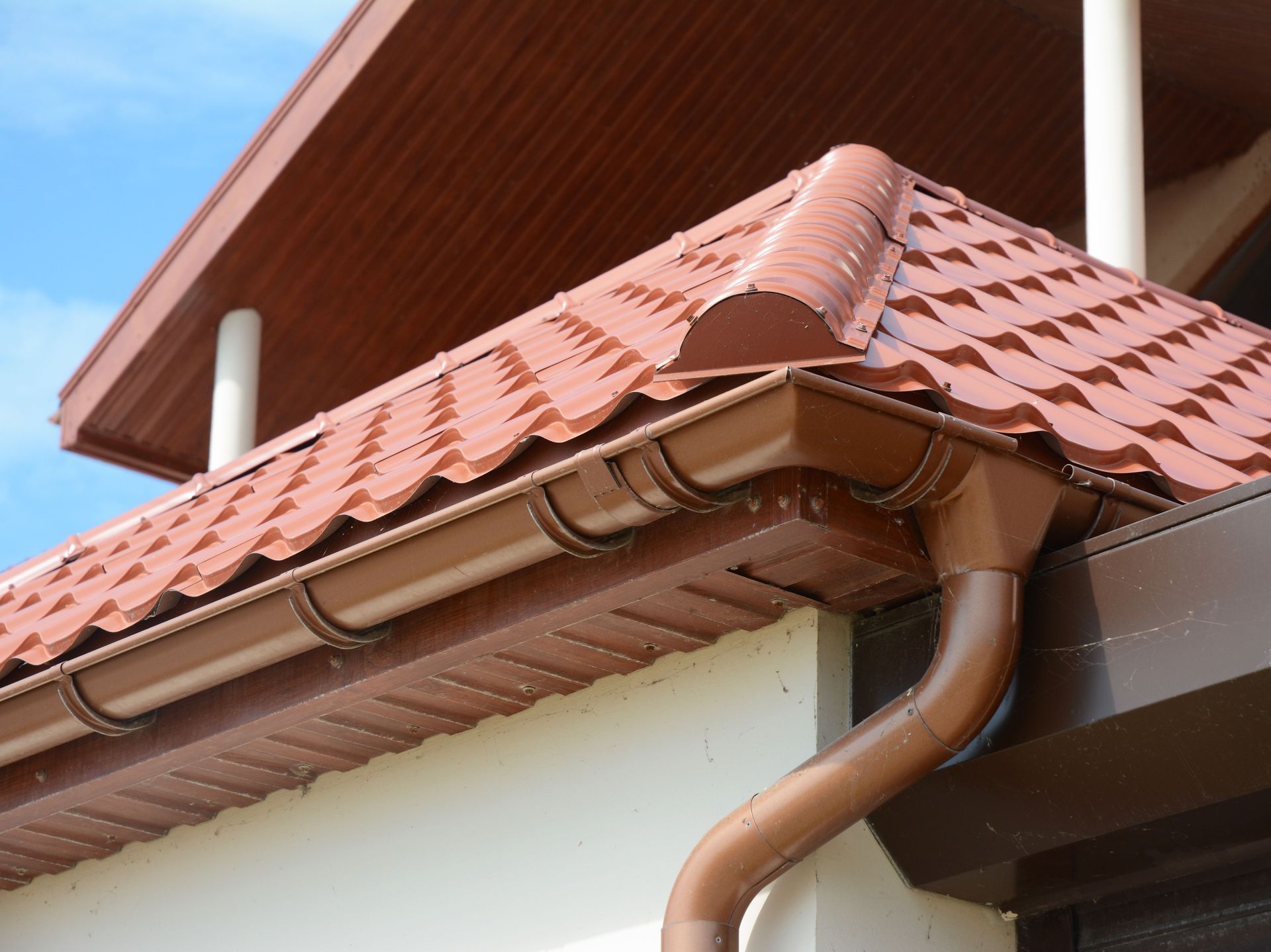
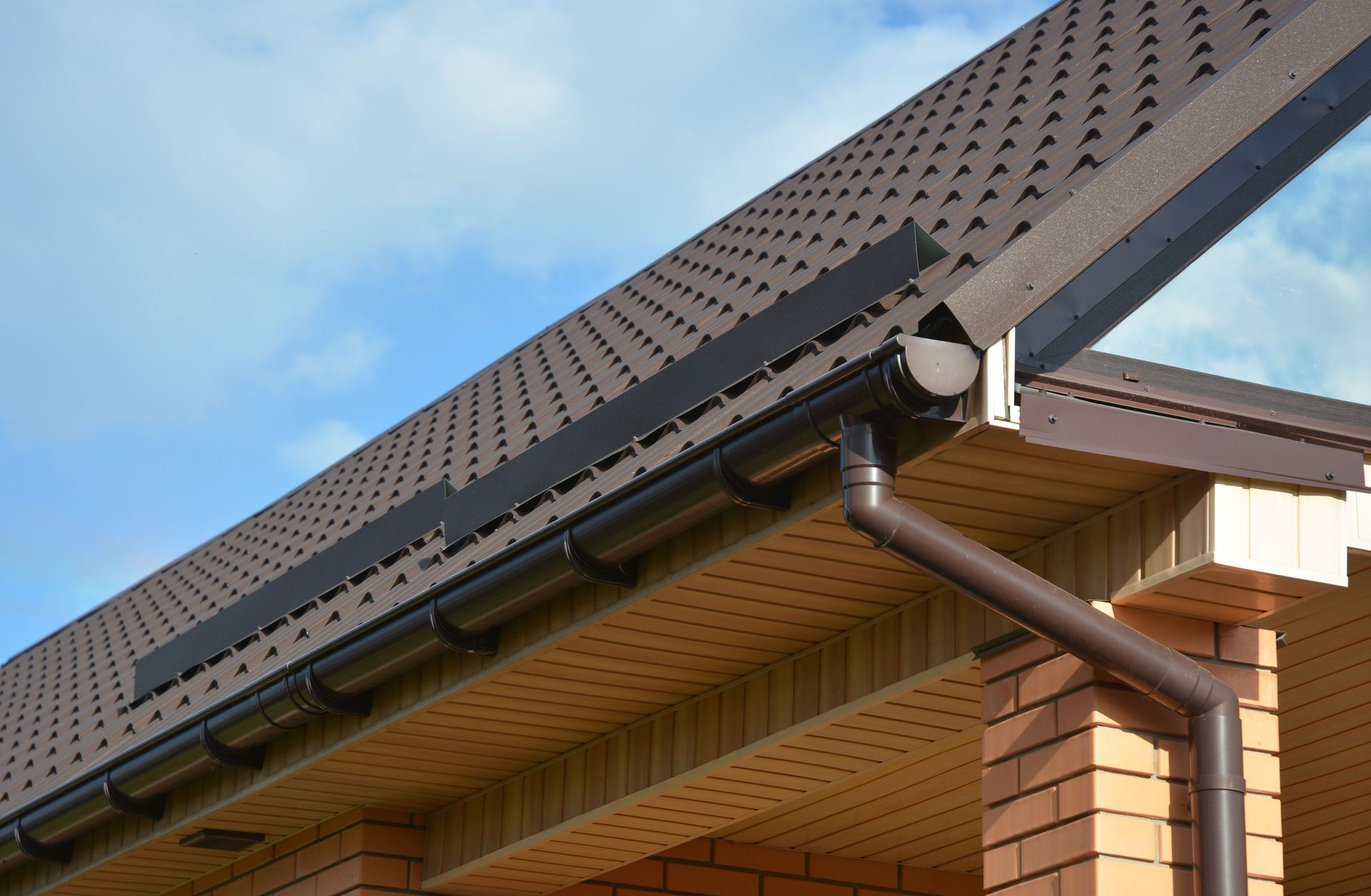
Downspouts are a crucial component of a home's rainwater management system. These conduits direct water away from a house, preventing potential damages that come with standing water. They work hand in hand with gutters, which collect water from the roof and channel it through the downspouts. This partnership ensures that water is efficiently moved away from the structure, safeguarding foundational and structural components. In essence, while gutters handle the collection aspect, downspouts ensure the delivery and final placement of rainwater.
Preventing Water Accumulation
One of the main purposes of downspouts is to prevent the accumulation of water around a home's foundation. Excessive water near the foundation can lead to serious issues such as erosion, weakening the soil and potentially causing foundational damage. Downspouts extend this water away to areas where it can soak into the ground without causing harm. Proper placement ensures that water is directed to the most suitable areas, reducing the risk of water pooling around the home. This strategic movement of water is critical in maintaining a home's structural integrity.
Protecting the Home's Foundation
A strong and stable foundation is essential for any building. When water constantly pools near the foundation, it seeps into small cracks, freezing in cold weather and expanding, which can lead to larger cracks. Over time, this causes significant damage, resulting in costly repairs. By directing water well away from the base of the house, downspouts play an instrumental role in protecting against such threats. Homeowners can save both time and money by hiring gutter contractors to ensure their downspouts are properly installed and functioning.
Maintaining Structural Integrity
Structural integrity is compromised when water is not effectively managed. Downspouts ensure that rainwater does not seep into walls or the basement, where moisture can cause significant damage. Moisture in basements, in particular, can lead to mold growth, which not only harms the structure but also poses health risks. By ensuring that moisture is kept at bay, downspouts help maintain the overall health of the building. Effective water management thus translates into prolonged structural longevity.
Aesthetic Benefits
While the functional aspects of downspouts are often highlighted, they also contribute to the aesthetic appeal of a property. When creatively integrated into the architecture, downspouts can be both functional and beautiful. They come in various designs, materials, and colors, providing homeowners the flexibility to match them with the home’s exterior. Further, by controlling the flow of water, downspouts help in preserving landscaping and reducing soil erosion. This preservation enhances curb appeal, adding value to the property.
The Consequences of Poor Downspout Placement
Soil Erosion and Landscaping Damage
Poor downspout placement can result in significant soil erosion. When water is not properly directed, it can wash away soil, destabilizing the ground and potentially affecting plant life. Landscapes can quickly become damaged, leading to unsightly and less functional outdoor spaces. Furthermore, soil erosion near the home can become a safety hazard, threatening to destabilize walkways and other structures. Consequently, correct downspout placement by gutter contractors is essential to preserving the integrity and appearance of home environments.
Basement Flooding and Moisture Issues
Incorrectly placed downspouts often lead to basement flooding. Water accumulated near the foundation can seep through seams and cracks, filling basements and causing damage to stored items and infrastructure. Beyond flooding, constant moisture prompts the development of mold and mildew, which can adversely affect health. According to This Old House, around 27% of homeowners installed gutter guards to mitigate the risks of clogs and flooding. Ensuring downspouts are situated correctly is another pivotal step toward preventing basement moisture problems.
Foundation Cracks and Instability
Water left unchecked can lead to foundation cracks—a serious concern for homeowners. Over time, these cracks expand, undermining the structural integrity of the entire building. Poorly placed downspouts that fail to direct water away effectively can exacerbate this issue. The resulting instability could demand extensive repairs, which are often costly. Proper downspout placement, therefore, is a proactive measure in protecting the home’s foundation.
Mold Growth and Indoor Air Quality
Mold growth is a significant consequence of ineffective water evacuation, affecting indoor air quality. Mold spores thrive in damp environments, such as basements or crawl spaces with water issues. Increased mold presence can lead to respiratory issues and other health symptoms in inhabitants. Hence, ensuring downspouts are properly installed minimizes these risks by maintaining a dry indoor environment. A strategic approach to downspout placement is thus vital for maintaining healthful living conditions.
Increased Maintenance and Repairs
Improper downspout placement can lead to a myriad of problems, resulting in increased home maintenance and repair needs. When water damage to the foundation, walls, or landscaping occurs, it requires attention and can prove costly. Regular maintenance costs increase as homeowners frequently attempt to address symptoms rather than causes. Correct downspout placement alleviates the need for ongoing, reactive measures. Proactive strategies help homeowners manage costs effectively and preserve property value over time.
The Factors to Consider in Downspout Placement
Assessing Roof Size and Slope
The design of the roof, including its size and slope, is a fundamental consideration for effective downspout placement. Larger roofs collect more rain, necessitating additional or larger downspouts. The slope of the roof influences how quickly water runs off, which affects how quickly the gutters can divert it. High slopes may require staggered downspout placements to ensure even distribution of water flow. Understanding these design elements is pivotal to configuring a functional drainage system.
Analyzing Topography and Drainage Patterns
Careful analysis of the surrounding land topography is critical in determining the best placement for downspouts. The natural slopes and terrain affect where water naturally wants to flow. Downspouts should facilitate rather than fight these patterns, directing water safely away while aligning with natural drainage paths. This alignment helps prevent unnecessary erosion and facilitates optimal water absorption into the ground. Thoughtful consideration of these elements secures the home against water damage.
Determining the Ideal Number of Downspouts
Determining the number of downspouts required for a home is a crucial step in achieving efficient water management. Too few downspouts may lead to overflowing gutters, especially during heavy rains. Conversely, over-saturating the structure with too many downspouts can be both unnecessary and aesthetically displeasing. Each home has specific needs based on roof area, average rainfall, and landscape design. A calculated balance ensures effective water evacuation without compromising visual aesthetics.
Choosing the Right Downspout Material
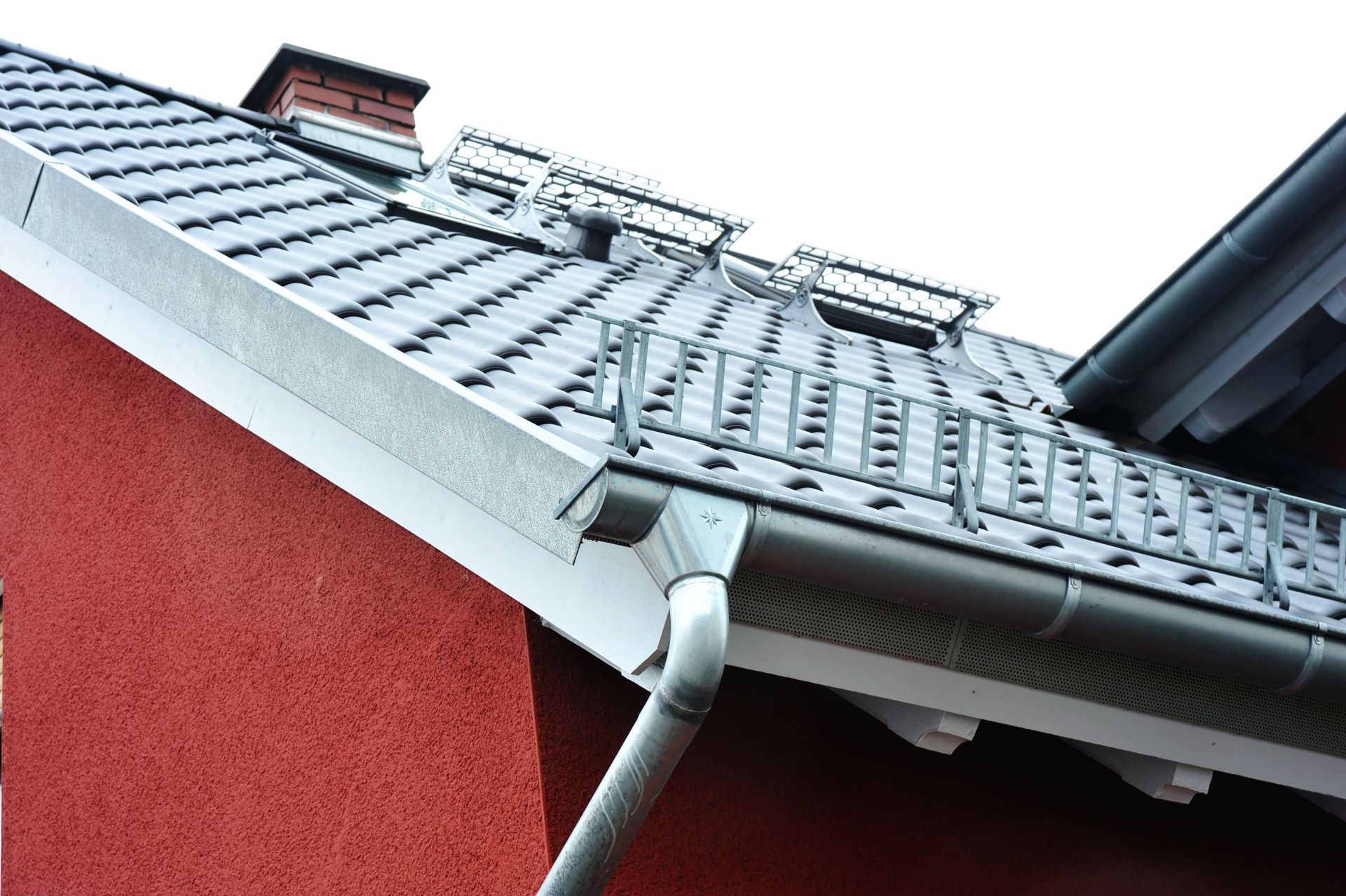
The material used for downspouts significantly impacts their durability and function. Common options include aluminum, vinyl, steel, and copper, each with unique benefits and costs. Aluminum is lightweight and rust-resistant, while vinyl offers an economical option albeit with less durability. Copper provides visual appeal and longevity at a higher cost, whereas steel strikes a balance between strength and price. Selecting the right material should align with both performance requirements and budget considerations.
Location and Distance from Structures
The positioning of downspouts relative to the house is a vital aspect of their overall effectiveness. There should be ample distance between where water exits the downspout and the home's foundation to prevent water damage. Ideally, water should be directed at least a few feet away using extensions or splash blocks. Moreover, the proximity to landscape features should be considered to prevent disruption or erosion. Proper positioning ensures the home’s safety and maintains the surrounding landscape's integrity.
Proper downspout placement plays a critical role in the efficacy of any gutter system. By understanding its importance and investing in strategic installation and maintenance, homeowners can protect their properties, ensuring longevity and efficiency. As technology evolves, the integration of smart systems might further enhance the synergy between gutters and downspouts. If you're looking for a reliable
gutter contractor to install a downspout, contact our team at KO Gutters LLC today.